The link between a gastric sleeve and fatty liver is direct: the substantial weight loss achieved with sleeve gastrectomy reduces the fat stored in the liver. A study published in 2023 found that about 62% of patients had no fatty liver at all on ultrasound one year after surgery. That makes the sleeve an effective option for people with obesity who also have fatty liver disease, alongside lifestyle change and medical follow-up.
What Is Fatty Liver, and Why Is It Linked to Obesity?
Fatty liver is a build-up of fat inside liver cells beyond normal levels. It is now known as metabolic dysfunction-associated steatotic liver disease (MASLD). It is closely linked to excess weight, insulin resistance, type 2 diabetes and high blood lipids.
In many cases there are no clear symptoms, and the condition is discovered by chance on an abdominal ultrasound or a liver enzyme test. The danger is that, over time, it can progress to fatty liver inflammation, then fibrosis, and in advanced stages to cirrhosis.
How Do I Know If I Have Fatty Liver?
Because the disease is usually silent, doctors advise people with obesity to have regular checks, especially if they have risk factors such as diabetes, high blood pressure, high triglycerides or a large waist circumference. Common tests include:
- Liver enzyme tests (ALT, AST and GGT).
- An abdominal ultrasound to estimate the degree of fat.
- Fibrosis assessments such as FibroScan or calculated scores requested by your doctor.
Some patients feel general tiredness or heaviness in the upper right abdomen, but having no symptoms does not mean the liver is healthy. These tests are usually part of the assessment before bariatric surgery.
How Does a Gastric Sleeve Affect Liver Fat?
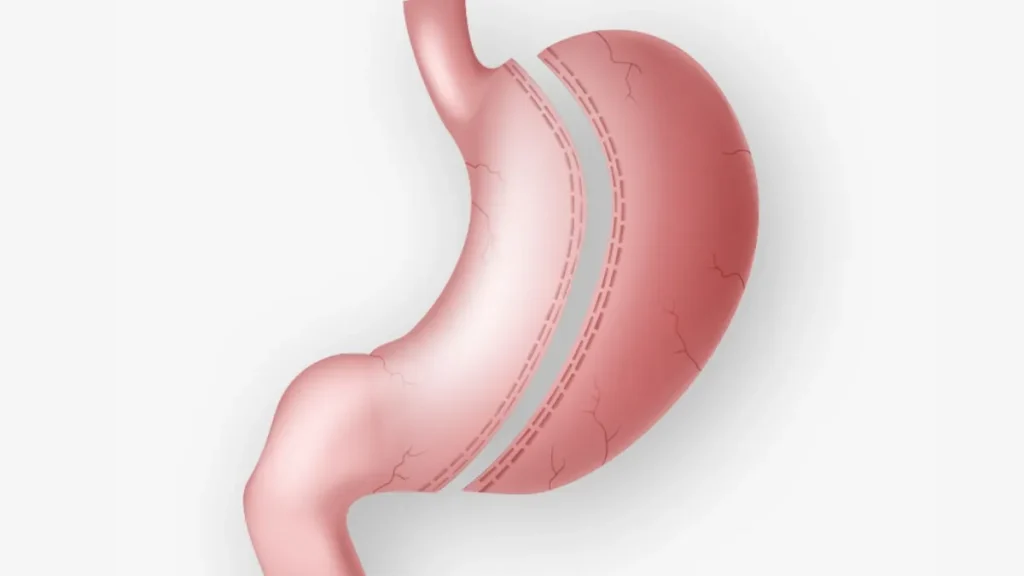
A sleeve gastrectomy removes about 80% of the stomach laparoscopically, so the amount of food you can eat becomes much smaller and hunger hormones drop. The result is gradual, steady weight loss, which is the single most important factor in treating fatty liver.
Mayo Clinic notes that losing 10% or more of body weight is usually the first step in treating fatty liver, and that losing just 3% to 5% may bring benefits. After a sleeve, most patients lose 25% to 30% of their total body weight within two years, far more than what is needed for the liver to improve.
What Does the Research Say About the Sleeve and Liver Fat?
A study published in the Journal of Clinical Medicine in 2023 followed 55 patients for one year after laparoscopic sleeve gastrectomy. The results were as follows:
| Measure | Before surgery | After 12 months |
|---|---|---|
| Fatty liver on ultrasound | Grade 2 in 60% and grade 3 in 29% | Complete resolution in 62% and mild grade 1 in 35% |
| ALT liver enzyme | 41.1 U/L | 19 U/L |
| GGT enzyme | 28.5 U/L | 18 U/L |
| Total weight loss | — | About 32.5% (average) |
The liver fibrosis risk score also fell clearly, and the improvement was linked to the amount of weight lost. However, the study was small and relied on ultrasound rather than liver biopsy, so individual follow-up for each patient remains essential.
Who Benefits From a Gastric Sleeve for Fatty Liver?
A sleeve gastrectomy is not performed to treat fatty liver alone. It is for patients who meet the criteria for bariatric surgery, which according to Mayo Clinic include:
- A body mass index (BMI) of 35 or higher.
- A BMI of 30 to 34.9 with a weight-related condition such as type 2 diabetes.
- Diet, exercise and medication have not achieved lasting weight loss.
- Full commitment to lifestyle change and follow-up after surgery.
If a patient has both obesity and fatty liver, the fatty liver becomes an additional reason supporting the decision to operate after the doctor’s assessment. You can read more about the procedure on our gastric sleeve page.
Does Fatty Liver Affect the Sleeve Operation Itself?
Yes. A liver enlarged with fat can cover the stomach and make it harder for the surgeon to reach it laparoscopically. That is why the medical team usually asks patients to follow a low-calorie diet for two to four weeks before surgery, known as the liver-shrinking diet. The ERAS Society guidelines for perioperative care in bariatric surgery recommend this diet because it reduces liver size and is linked to fewer complications after surgery.
How to Keep Your Liver Healthy After a Gastric Sleeve
Surgery is the start of the journey, not the end. To maintain liver improvement in the long term:
- Stick to a protein-rich diet: too little protein after surgery can affect the health of your liver and muscles.
- Avoid sugars and sweetened drinks: they are among the main causes of fat build-up in the liver.
- Avoid alcohol: the body is affected by alcohol more quickly after bariatric surgery, and it harms the liver.
- Stay physically active: about 30 minutes of moderate activity a day, as recommended by the American Society for Metabolic and Bariatric Surgery (ASMBS).
- Keep up with follow-up and tests: such as liver enzymes and ultrasound, as directed by your doctor.
To learn more about recovery, see our life after surgery page.
The Bottom Line: Is a Gastric Sleeve a Treatment for Fatty Liver?
Gastric sleeve and fatty liver is an important topic for every patient with obesity. The operation helps a great deal in reducing liver fat and improving liver enzymes through weight loss, but it is not a magic cure on its own. Real success comes from combining the right surgery at the right time with a healthy lifestyle and regular follow-up with your medical team.
Book a Consultation With Dr. Hasan Jalamneh in Amman
If you have questions about the gastric sleeve and fatty liver, you can book a consultation with Dr. Hasan Jalamneh, Consultant in General, Laparoscopic and Bariatric Surgery at Istishari Hospital in Amman, to assess your case and build a plan that suits you. Contact us on WhatsApp at +962796060064 or through our contact page.
Frequently Asked Questions
Does fatty liver disappear completely after a gastric sleeve?
For a large proportion of patients, yes. In a 2023 study, about 62% of patients no longer had fatty liver on ultrasound after one year, and the rest improved to a mild grade. Results depend on how much weight is lost and how well you stick to your plan after surgery.
How much weight do I need to lose for fatty liver to improve?
Mayo Clinic states that losing 10% or more of body weight is the usual goal, and that losing 3% to 5% may also bring benefits.
Why does the doctor ask for a diet before sleeve surgery?
To shrink the fatty liver and make it easier to reach the stomach laparoscopically. This diet has been linked to fewer complications after surgery.
Can a gastric sleeve be done in a patient with liver fibrosis?
It depends on the degree of fibrosis and liver function, and requires a careful assessment by the surgeon and a liver specialist before a decision is made.
When should my liver be checked again after surgery?
Your doctor will decide the right time. Liver enzymes are usually reviewed with routine follow-up blood tests during the first year.
Sources
- Mayo Clinic – Sleeve gastrectomy
- Mayo Clinic – Fatty liver disease (MASLD): Diagnosis and treatment
- J Clin Med 2023 – The Effect of Laparoscopic Sleeve Gastrectomy on NAFLD during One Year of Follow Up
- ERAS Society – Guidelines for Perioperative Care in Bariatric Surgery (2021 update)
Disclaimer: This article is for general health education and is not a substitute for a consultation with your doctor.