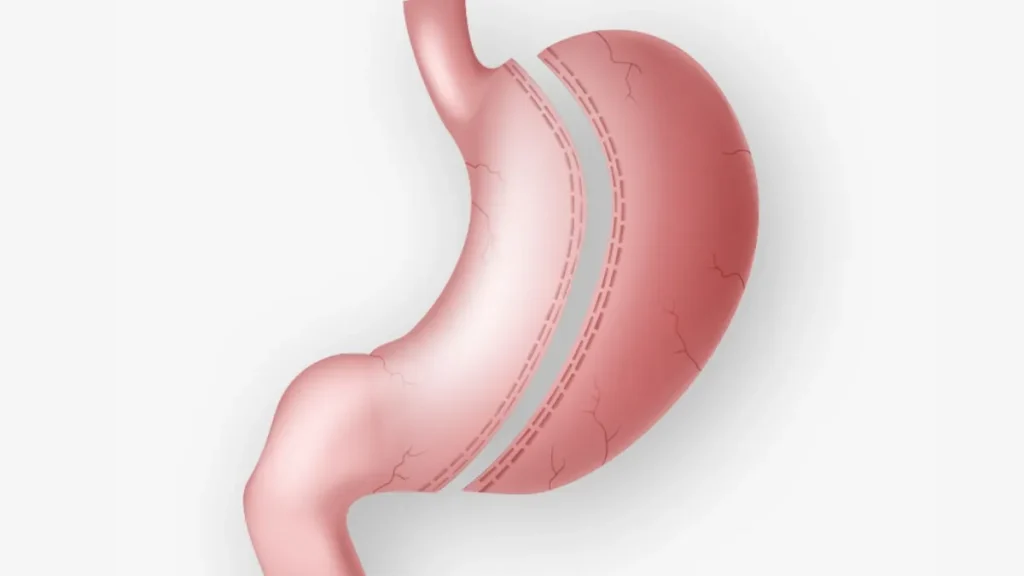
In this gastric sleeve FAQ, we’ve gathered the most common questions about the procedure, along with their answers. In short: a sleeve gastrectomy is a laparoscopic operation in which about 75% to 80% of the stomach is removed, leaving a small tube-shaped stomach that reduces how much you can eat and how hungry you feel. Most patients lose a large part of their excess weight within the first one to two years. But it isn’t right for everyone, and the final decision rests with the surgeon after evaluating each case.
Before you make your decision, it’s natural to have lots of questions about eligibility, preparation, pain, risks, and results. Here are clear answers based on recommendations from well-known medical organizations such as the American Society for Metabolic and Bariatric Surgery (ASMBS), Mayo Clinic, and Cleveland Clinic.
Gastric Sleeve FAQ: What Is the Surgery and How Does It Work?
A gastric sleeve (sleeve gastrectomy) is a surgical procedure to treat obesity in which the surgeon removes most of the stomach laparoscopically and staples the remaining part into a narrow tube or “sleeve.” The surgery works in two ways: by reducing the stomach’s capacity, so you feel full on small portions, and by reducing the release of the hunger hormone (ghrelin), most of which is produced in the part that’s removed. The procedure doesn’t involve rerouting the intestines. Learn more on our gastric sleeve surgery page.
Who Is a Candidate for a Gastric Sleeve?
The ASMBS and the International Federation for the Surgery of Obesity and Metabolic Disorders (IFSO) updated their eligibility criteria in 2022. The general guidelines are now:
- A body mass index (BMI) of 35 or higher, regardless of whether you have related health conditions.
- A BMI between 30 and 34.9 with metabolic diseases such as type 2 diabetes, especially if non-surgical approaches haven’t controlled them.
- Long-term weight-loss attempts with diet, exercise, and medication that haven’t succeeded.
- Readiness to commit to lifestyle changes and medical follow-up after surgery.
Difficulty carrying out daily tasks because of your weight is one of the things your doctor takes into account, and these numbers are sometimes adjusted for certain groups. For cases where a sleeve may not be suitable, such as severe reflux, the surgeon may suggest a different procedure.
What Are the Benefits of Laparoscopic Sleeve Gastrectomy?
Besides weight loss—which averages about 60% to 70% of excess weight within one to two years—the surgery may help improve a number of obesity-related health problems, though results vary from patient to patient:
- Improved type 2 diabetes; some patients may need less medication.
- Improved high blood pressure and blood cholesterol and lipid levels.
- Better long-term heart and blood vessel health.
- Relief from joint and back pain.
- Improved obstructive sleep apnea.
- Improved fertility in some women, especially those with polycystic ovary syndrome (PCOS).
- Better mood, self-confidence, and social life for many patients.
- A relatively quick return to normal life compared with open surgery.
An important correction here: a sleeve does not treat acid reflux; in fact, it may cause or worsen it in some patients, which is why reflux is carefully evaluated before surgery. Rapid weight loss may also increase the chance of gallstones forming rather than eliminating them. Read more about acid reflux (GERD).
Why Is a Gastric Sleeve Done Laparoscopically?
Laparoscopy is the standard approach for most sleeve procedures today, because it’s done through small openings instead of a large abdominal incision. Its advantages over open surgery include less pain, faster recovery, a shorter hospital stay, smaller scars, and a lower risk of wound infection and incisional hernia.
How Long Do the Surgery and Recovery Take?
| Stage | Approximate time |
|---|---|
| Length of surgery | Usually from under an hour to about two hours, depending on the case |
| Hospital stay | Usually one to two days |
| Return to light daily activities | Within one to two weeks |
| Return to office work | After roughly two to four weeks |
| Return to regular food | Gradually, after 6 to 8 weeks |
These are approximate timeframes; your surgeon will decide what’s right for your case.
Will I Feel Pain After Gastric Sleeve Surgery?
You won’t feel any pain during the surgery, because it’s done under general anesthesia. Afterward, it’s normal to feel some pain at the incision sites and in the abdomen, and sometimes shoulder pain caused by the gas used during laparoscopy. The pain is usually manageable, is treated with painkillers your doctor prescribes, and eases gradually over a few days. Talk to your doctor about your pain-management plan before surgery.
How Do I Prepare for Gastric Sleeve Surgery?
- Tests: comprehensive blood tests, including fasting blood sugar and HbA1c, kidney, liver, and thyroid function, a heart and lung assessment, and sometimes an upper endoscopy.
- Pre-surgery diet: a high-protein, low-calorie diet for roughly two to three weeks to reduce liver fat and size, which makes the operation easier for the surgeon.
- Quit smoking: at least four to six weeks before surgery—and ideally for good.
- Medication review: you may be asked to stop aspirin, anti-inflammatory drugs, and some blood thinners for a period before surgery, but don’t stop any medication except on your doctor’s instructions.
- Movement: get into the habit of walking and being physically active before surgery, because you’ll need it afterward to reach and maintain your target weight.
Does a Gastric Sleeve Affect Immunity?
The surgery doesn’t directly weaken your immune system. In fact, improvements in diabetes and obesity itself may benefit your overall health. However, deficiencies in protein or vitamins and minerals—such as iron, zinc, vitamin D, and B12—can affect immunity and energy, so sticking to your supplements and regular check-ups is essential.
What Are the Risks of Gastric Sleeve Surgery?
Like any surgery, a sleeve has potential risks, though they are generally low when the procedure is done at a specialized center. They include:
- Early complications: bleeding, a leak from the staple line, infection, and blood clots in the legs or lungs.
- Late complications: acid reflux, narrowing (stricture) of the stomach, vitamin and mineral deficiencies, gallstones, and regaining some weight.
How Much Does a Gastric Sleeve Cost?
The cost varies depending on the hospital, the type of equipment used, the tests required, and the patient’s condition, so it’s best to get an accurate estimate after your consultation. You can read about the factors that affect the price on our gastric sleeve cost in Jordan page.
Why Does a Gastric Sleeve Fail?
- Returning to old eating habits: such as grazing throughout the day, liquid calories, and sweets, which can gradually stretch the stomach and lead to weight regain.
- Too little physical activity and not sticking to exercise after surgery.
- Emotional eating and not addressing the psychological causes of obesity.
- Dropping out of follow-up with the medical team and dietitian.
- Surgical or medical causes in fewer cases, which is why it’s important to choose a specialized surgeon and have the surgery at a well-equipped facility.
If weight comes back or problems develop after surgery, there are options for evaluation and treatment, including revisional bariatric surgery when needed.
Frequently Asked Questions
Can I get pregnant after a gastric sleeve?
Yes, but it’s usually recommended to wait 12 to 18 months after surgery until your weight and nutrition stabilize, with your doctor’s follow-up.
Can the stomach grow back after a sleeve?
The stomach may stretch slightly over time, especially with overeating, but it doesn’t return to its original size. Sticking to small portions reduces this.
Is a gastric sleeve suitable for people with diabetes?
A sleeve may improve type 2 diabetes in many patients, but the surgeon may prefer a different procedure in some cases. The decision is made after a comprehensive evaluation.
Can a gastric sleeve be reversed?
No, because the removed part of the stomach can’t be put back. However, it can be converted to another procedure if medically necessary.
When can I start exercising after a sleeve?
Walking starts from roughly the first day, and intensity increases gradually. Your surgeon will tell you when you can start lifting weights and doing abdominal exercises.
If you have other questions about the gastric sleeve or want to know whether the surgery is right for you, you can book a consultation with Dr. Hasan Jalamneh for a personal evaluation through our Contact Us page.
This article is for general educational purposes only and is not a substitute for advice from a qualified doctor.