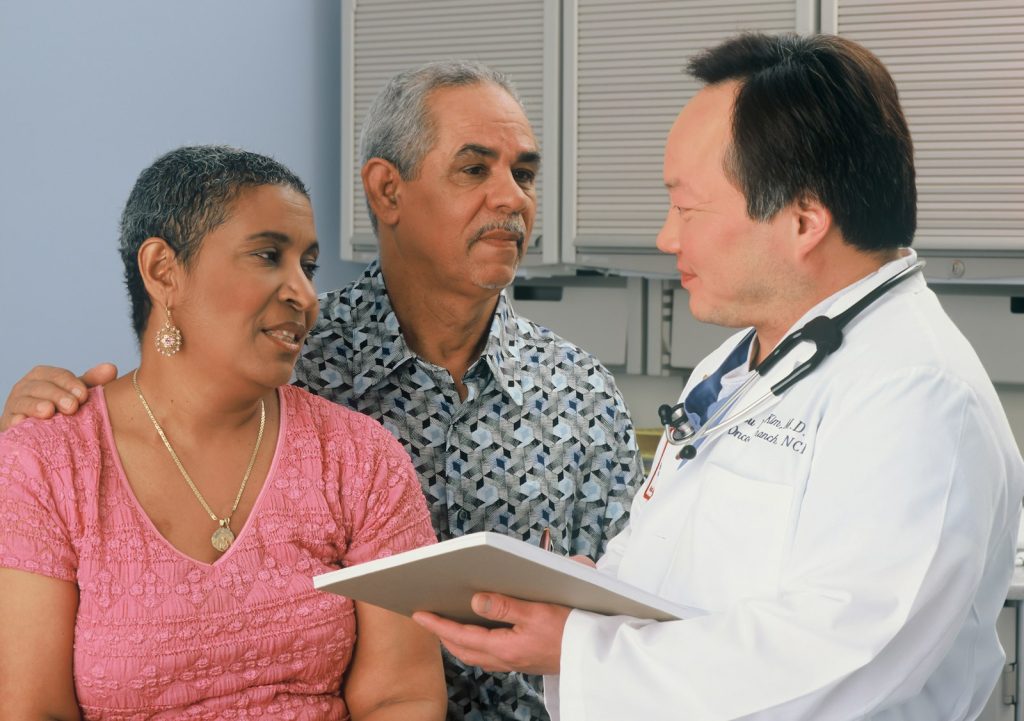
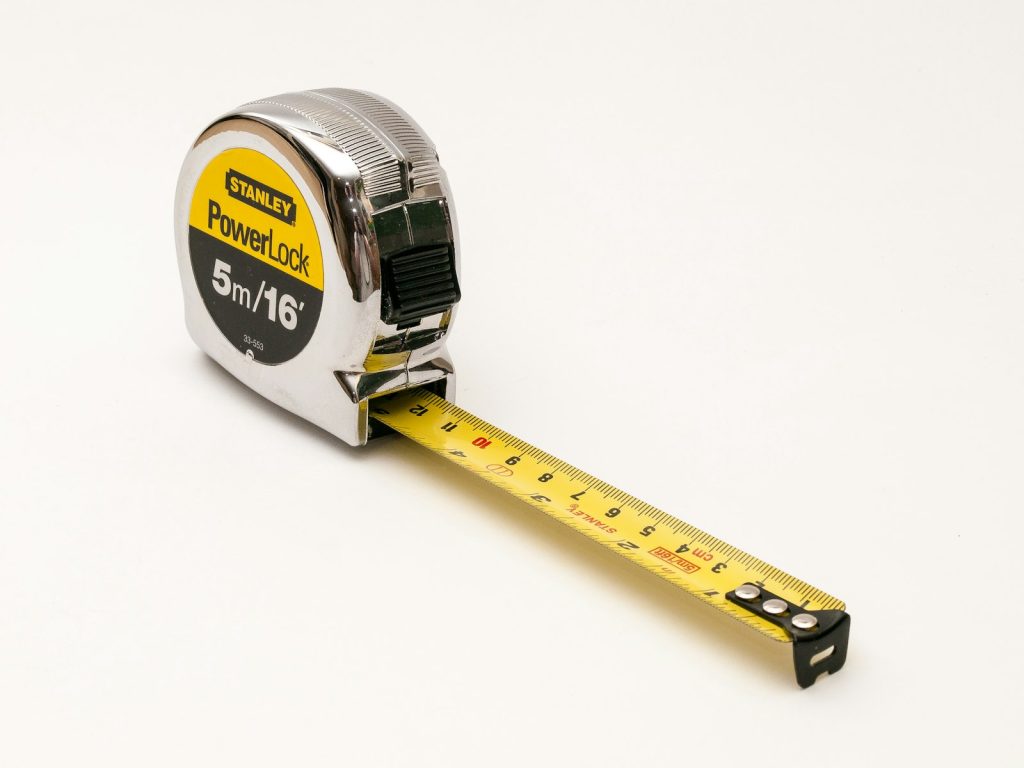
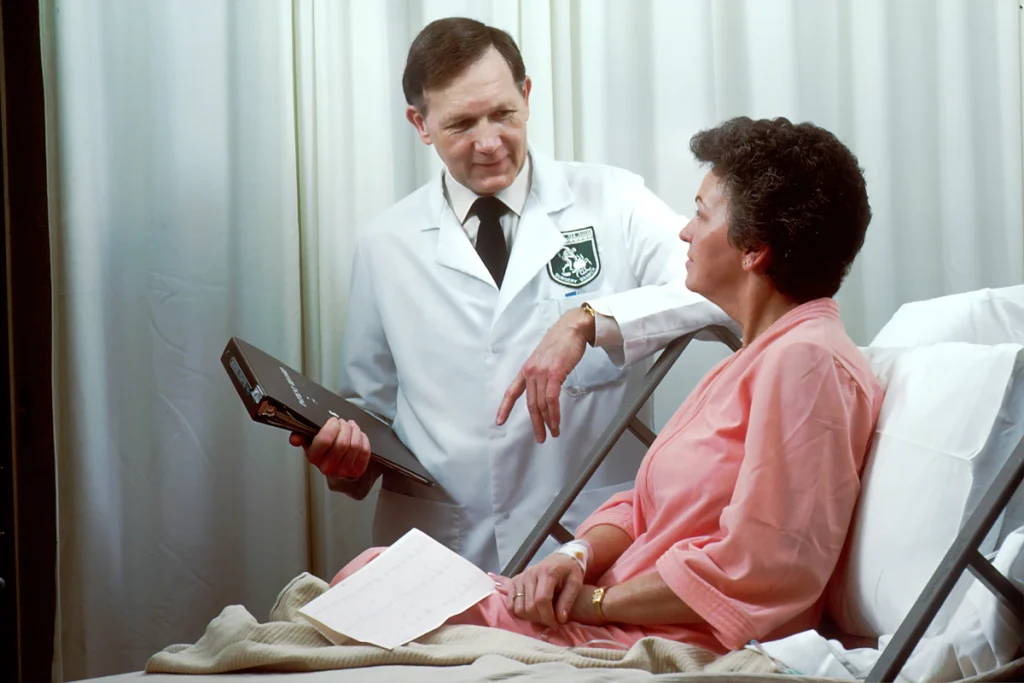
What happens before and after gastric sleeve surgery? Before the operation, you go through a thorough medical assessment, start changing your eating habits, and stop smoking. Afterward, you gradually move from liquids to normal food over several weeks, with a lifelong commitment to vitamins, protein, and physical activity. Most patients lose a large share of their excess weight in the first year to year and a half, but results vary from person to person.
Deciding to have bariatric surgery isn’t easy for many people, even though it’s one of the most common operations worldwide. In this article, we calmly and clearly explain what you need to do before surgery, what to expect afterward in terms of pain, symptoms, and changes in appetite and your body, and how to maintain your results over the long term.
How to prepare before gastric sleeve surgery
Good preparation before surgery is one of the most important factors in its success. A gastric sleeve is a tool that helps you lose weight, but it doesn’t replace lifestyle change. So you need to be ready to commit to a new diet, regular physical activity, and long-term medical follow-up. The pre-surgery phase usually includes:
- Medical assessment: comprehensive blood tests, heart and lung evaluation, sometimes an upper endoscopy, and a review of the medications you take.
- Nutritional and psychological assessment: to understand your eating habits and make sure you’re ready for change after surgery.
- A pre-surgery diet: many surgeons ask for a low-calorie, high-protein diet for about two weeks before surgery to shrink a fatty liver and make laparoscopic surgery easier.
- Quitting smoking: because smoking increases the risk of wound and lung complications and stomach ulcers.
- Getting moving: such as walking every day, because better fitness before surgery helps you recover faster.
You can learn more about the procedure and who it’s suitable for on our gastric sleeve surgery page.
What do you eat after a gastric sleeve?
After surgery, the stomach needs time to heal, so food is reintroduced in stages. Timelines vary slightly between medical programs; the table below shows the general pattern most centers follow:
| Stage | Approximate timing | Type of food |
|---|---|---|
| Clear liquids | The first few days | Water, clear broth, sugar-free and non-carbonated drinks, in small sips |
| Full liquids | Until about the end of week two | Low-fat milk, protein shakes, smooth soups |
| Pureed food | About weeks three and four | Mashed eggs, yogurt, pureed fish and vegetables |
| Soft food | About weeks five and six | Soft, easy-to-chew foods such as ground meat and cooked vegetables |
| Regular food | After about 6 to 8 weeks | Healthy, balanced food in small portions, with a focus on protein |
After that, some basic rules stay with you for life:
- Small meals: because your stomach is now much smaller.
- Vitamins and supplements: these must be taken for life as recommended by your medical team, such as a multivitamin, calcium, vitamin D, vitamin B12, and iron when needed.
- Protein first: start each meal with protein to preserve muscle mass.
- Gradually increase physical activity: starting with walking, then more varied exercise once your doctor approves.
Is pain after gastric sleeve surgery normal?
Yes, some pain and discomfort in the abdomen and at the laparoscopic incision sites is normal in the first few days, and it eases gradually as the external wounds and internal tissues heal. Some patients feel shoulder pain from the gas used during laparoscopy, which usually goes away within days.
Pain can usually be managed with the painkillers your doctor prescribes, while avoiding anti-inflammatory drugs such as ibuprofen unless your surgeon allows them, because they can harm the stomach lining. You should also follow the instructions on activity and avoid sudden bending and heavy lifting in the first weeks, as this can cause pain or increase the risk of a hernia at the incision site. Severe or worsening pain, fever, or a rapid pulse calls for contacting your medical team immediately.
What are the common symptoms after a gastric sleeve?
- Nausea and vomiting: usually caused by eating too quickly, not chewing food well, eating more than your stomach can hold, or drinking with meals. The solution is to eat slowly and stop at the first feeling of fullness.
- Constipation: common because of low fluid and fiber intake. Aim to drink about 2 liters of water a day in sips between meals, and add fiber gradually when your diet allows.
- Heartburn or reflux: may appear or get worse in some patients after a sleeve. It’s usually treated with medication and changes in habits, and in a few cases needs further assessment.
- Fatigue and temporary hair loss: occur in some patients in the first months because of low calorie intake and rapid weight loss, and usually improve with enough protein and vitamins.
How does hunger change after a gastric sleeve?
During surgery, the part of the stomach that produces most of the hunger hormone (ghrelin) is removed, so many patients notice a clear drop in appetite, especially in the first months. But feeling less hungry doesn’t mean skipping meals, as that can lead to protein and vitamin deficiencies and muscle weakness. That’s why the following is recommended:
- Eat three small, balanced meals a day; your doctor may add a snack in between.
- Eat slowly and chew each bite well.
- Don’t drink with meals, and leave about 30 minutes between eating and drinking.
- Avoid carbonated and sugary drinks.
- Make protein the foundation of each meal along with vegetables, followed by a moderate amount of healthy carbohydrates.
- Stop eating as soon as you feel full, and don’t overeat.
How much weight do you lose before and after gastric sleeve surgery?
Medical sources report that patients lose, on average, about 60% to 70% of their excess weight over roughly 12 to 18 months, equivalent to about a quarter to a third of total body weight. Weight loss is faster in the first months and then slows gradually. These are average figures; your actual result depends on your starting weight, age, and commitment to healthy eating and activity. You can see examples of results on our before and after photos page.
How does life improve after a gastric sleeve?
The impact of surgery isn’t limited to the scale. Studies have shown that bariatric surgery is associated with improved quality of life for many patients. Some of the most notable changes include:
- Significant weight loss and easier movement.
- Improved self-confidence and self-image.
- Greater ability to be physically active and handle daily work.
- Improved marital and sexual life for some patients.
- Improvement or remission of many obesity-related conditions, such as type 2 diabetes, high blood pressure, sleep apnea, and joint pain, to varying degrees from patient to patient.
Learn more about this phase on our life after surgery page.
Does loose skin happen after a gastric sleeve?
Loose skin is common after any major weight loss, whether after a sleeve or other bariatric procedures, and how much you get depends on your age, how much weight you lose, your skin type, and genetics. It can’t be prevented entirely, but it can be reduced by:
- Focusing on protein: to preserve and build the muscles under the skin.
- Taking your vitamins: as prescribed by your medical team, because they support skin health.
- Drinking enough water: to keep your body hydrated.
- Strength and resistance training: to improve body shape and tone muscles.
- Plastic surgery when needed: such as a tummy tuck or arm lift, usually done once your weight has stabilized.
What complications should you watch for?
A gastric sleeve is relatively safe when performed in a well-equipped facility by a specialized surgeon, but like any surgery, complications can occur, including a leak from the staple line, bleeding, infection, and blood clots, as well as longer-term problems such as reflux, vitamin deficiencies, and gallstones. These risks are reduced by choosing the right surgeon, following your medications and instructions, moving early after surgery, and attending regular check-ups and blood tests.
Frequently asked questions
How many days will I stay in the hospital after a gastric sleeve?
Most patients stay about one to two days, and the surgeon decides when you can go home based on your ability to drink fluids, move around, and how stable your condition is.
When can I go back to work after a gastric sleeve?
Many people with office jobs return within two to four weeks, while physically demanding jobs or those that involve lifting need more time.
Do I have to take vitamins for the rest of my life?
Yes, specialist societies such as ASMBS recommend lifelong supplements after bariatric surgery, with regular blood tests to adjust the doses.
Can weight come back after a gastric sleeve?
Yes, some patients may regain part of the weight if they return to old habits, which is why follow-up, healthy eating, and physical activity remain the foundation for maintaining your results.
When can I exercise after surgery?
Light walking starts from about the first day, then intensity increases gradually over the following weeks, and your surgeon will tell you when you can start strength training and lifting weights.
If you’re considering a gastric sleeve and want to know what’s right for your situation, you can book a consultation with Dr. Hasan Jalamneh to assess your health and discuss the available options through our contact us page.
This article is for general educational purposes only and does not replace a consultation with a specialist doctor.