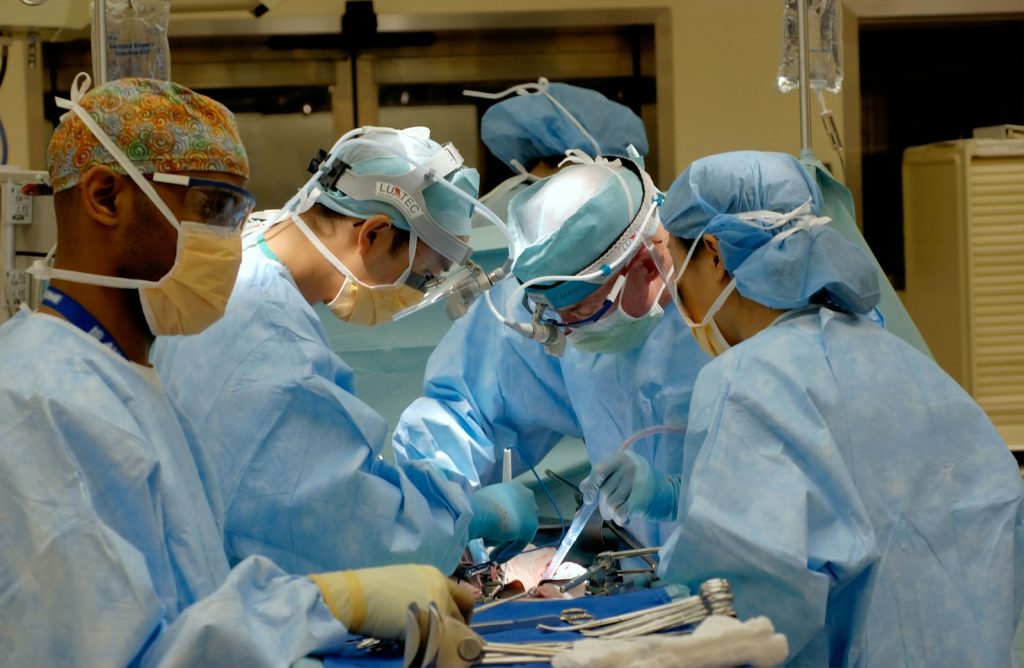
Why do so many patients from across the Arab world choose medical treatment in Jordan? Because Jordan combines qualified medical professionals, many of whom trained abroad, with hospitals holding national and international accreditation and treatment costs that are competitive compared with many countries, along with easy communication in Arabic and a stable, secure environment. Even so, choosing the right doctor and hospital for your condition remains the most important factor.
Jordan is a relatively small Arab country in the Middle East, but over the past decades it has built a solid reputation in medicine and has become one of the region’s well-known medical tourism destinations, especially for patients from the Gulf states, Iraq, Palestine and elsewhere. In this article, we explain what sets Jordan’s medical sector apart, which specialties patients travel for, and how to plan your medical trip safely, especially if you are considering bariatric (weight-loss) surgery.
Why is medical treatment in Jordan a preferred choice?
Several factors make Jordan a destination for patients from within the region and beyond:
- Qualified medical professionals: many Jordanian doctors trained or earned specialist qualifications in countries such as the UK, the US and Germany, and they work according to modern treatment protocols.
- Accredited hospitals: Jordan has hospitals holding international accreditation such as that of Joint Commission International (JCI), as well as national accreditation from the Health Care Accreditation Council.
- Competitive costs: many operations cost less than in Western countries and some countries in the region, with a good level of service.
- Easy communication: a shared Arabic language removes an important barrier between patient and doctor. Most doctors and staff also speak English, and some hospitals provide interpreters for other languages.
- Geographic proximity: flights are short from most Arab countries, making travel and follow-up visits easier, and Jordan can also be reached by land from some neighboring countries.
- Safety and hospitality: Jordan is known for its stability and for the generosity of its people toward guests and companions.
What is hospital accreditation in Jordan, and why does it matter to you?
Accreditation means that an independent body has evaluated the hospital against specific standards for quality of care and patient safety, such as infection control, medication safety and surgical procedures. In Jordan, there are two main levels:
- National accreditation: from Jordan’s Health Care Accreditation Council (HCAC), a body whose standards have been accredited by the International Society for Quality in Health Care (ISQua).
- International accreditation: such as Joint Commission International (JCI) accreditation, which several Jordanian hospitals have earned.
Jordan’s health sector has also worked to develop electronic medical records in a number of public and private hospitals, making it easier to keep and follow up on a patient’s file. When choosing a hospital, ask about its accreditations, the availability of intensive care, and the equipment specific to the type of operation you will have.
Which medical specialties do patients travel to Jordan for?
Patients come to Jordan for many specialties, including:
- Bariatric surgery and laparoscopic general surgery.
- Cardiac surgery and catheterization.
- Cancer treatment.
- Orthopedic and joint surgery.
- Ophthalmology and eye surgery.
- Neurosurgery and spine surgery.
- Organ transplantation.
- Infertility treatment and IVF.
- Cosmetic surgery.
In bariatric surgery, the operations commonly performed worldwide are available in Jordan, such as gastric sleeve and the various types of gastric bypass, as well as advanced laparoscopic surgery to treat hernias, gallbladder disease, acid reflux and more.
How to plan a safe medical trip to Jordan
Good planning makes your medical trip easier and safer, reduces stress for you and your companion, and ensures that important decisions are not made in a rush at the last minute. The more you know what to expect when you arrive, the better your experience will be. Here are some practical steps:
- Start with a remote consultation if possible: send your reports, lab results and imaging to the doctor before you travel so they can make a preliminary assessment of whether your case is suitable for the treatment you need.
- Ask about the doctor’s qualifications: their specialty, certifications, experience with the specific operation, and membership in specialist medical societies.
- Ask about the hospital: its accreditations, the availability of intensive care, and its anesthesia and nursing teams.
- Get a written treatment plan: including pre-operative tests, the expected length of stay, and what the cost does and does not cover.
- Plan for a long enough stay: don’t book your return flight right after surgery; leave time for your first follow-up visit.
- Arrange follow-up after you return: agree with your doctor on how you will communicate and be followed remotely, and make sure there is a doctor in your home country who can step in if needed.
- Carry a copy of your medical file: the operative report, medications and dietary instructions, to give to any doctor who sees you later.
What should you know if you are traveling for bariatric surgery?
Bariatric surgery is not just a day in the operating room; it is a treatment journey that lasts months and years. That is why there are specific things to keep in mind:
- Pre-operative evaluation is essential: it includes lab tests, heart and lung evaluation, sometimes an upper endoscopy, and a nutritional and psychological assessment depending on the case. Surgery is not recommended without an adequate evaluation.
- Flying after surgery: sitting for long periods increases the risk of blood clots in the veins, especially after surgery and in people with obesity. Follow your doctor’s instructions on when it is safe to travel, move around and drink fluids during the flight, and use any medication or compression stockings they prescribe.
- A staged diet: you will need to follow specific dietary stages in the first weeks, so make sure you understand them well before you go home.
- Long-term follow-up: this includes regular lab tests and nutritional supplements, so plan how you will get them done in your home country.
- Warning signs: learn which symptoms call for contacting your doctor immediately, such as fever, severe pain, persistent vomiting or shortness of breath.
If cost is an important part of your decision, you can read about the factors that determine the cost of gastric sleeve surgery in Jordan, keeping in mind that price alone should not be your deciding factor, as safety and quality of follow-up matter more.
What should you keep in mind when choosing treatment abroad?
Medical tourism is an excellent option for many patients, but be wary of offers that seem too good to be true, that promise guaranteed results, or that suggest having surgery quickly without an adequate evaluation. A good doctor will explain the benefits and risks to you honestly, and may sometimes tell you that surgery is not right for you, or that another option is better for your case.
It helps to prepare a list of questions before your consultation, such as:
- Which operation do you recommend for my case, and why is it better than the alternatives?
- What are the possible complications, and how are they handled if they occur?
- What does the cost include: tests, hospital stay, medications and follow-up visits?
- What is the plan if I need additional care after surgery or after I return home?
- Who do I contact if worrying symptoms appear while I am back in my country?
Clear answers to these questions give you a realistic picture of the treatment journey and help you compare the available options with confidence, rather than relying only on advertising or other people’s experiences, since every patient has their own health circumstances.
Frequently asked questions
Is medical treatment in Jordan safe?
Jordan has nationally and internationally accredited hospitals and qualified staff, but the level of safety ultimately depends on the hospital and doctor you choose, so check their accreditations and qualifications before deciding.
Do I need a companion during my medical trip?
A companion is usually recommended, especially for surgery, to help you in the first days after the operation and with getting around and traveling.
How many days do I need to stay in Jordan after bariatric surgery?
It varies depending on the type of operation and your recovery, and your surgeon will decide. You are usually advised to stay several days after leaving the hospital for a follow-up visit before you travel.
How is follow-up handled after I return to my country?
Remote follow-up can be arranged with your doctor to review your weight, lab results and symptoms, but you should also have a local doctor who can examine you when needed.
Can I get a consultation before I travel?
Yes. Many doctors are willing to review your reports and lab results in advance to give a preliminary opinion, although the final decision is made after an in-person examination and a full evaluation.
If you are considering bariatric or laparoscopic surgery in Jordan, you can contact Dr. Hasan Jalamneh to book a consultation, have your case assessed and discuss the right plan for you, through our Contact Us page.
This article is for educational purposes only and is not a substitute for consulting a specialist doctor.