What is gastric bypass surgery? It’s an operation to treat obesity, usually performed laparoscopically, in which a small pouch is created from the upper part of the stomach and connected directly to a section of the small intestine, so food bypasses most of the stomach and the first part of the intestine. As a result, food intake and appetite decrease and the absorption of some calories changes. Many patients lose roughly half to two-thirds of their excess weight within the first two years, though results vary from person to person.
Standard (Roux-en-Y) gastric bypass is one of the oldest and most extensively studied bariatric procedures in the world. In this article, we explain how it’s done, who is a candidate, its benefits and risks, and what to expect afterward.
How Is Gastric Bypass Surgery Performed?
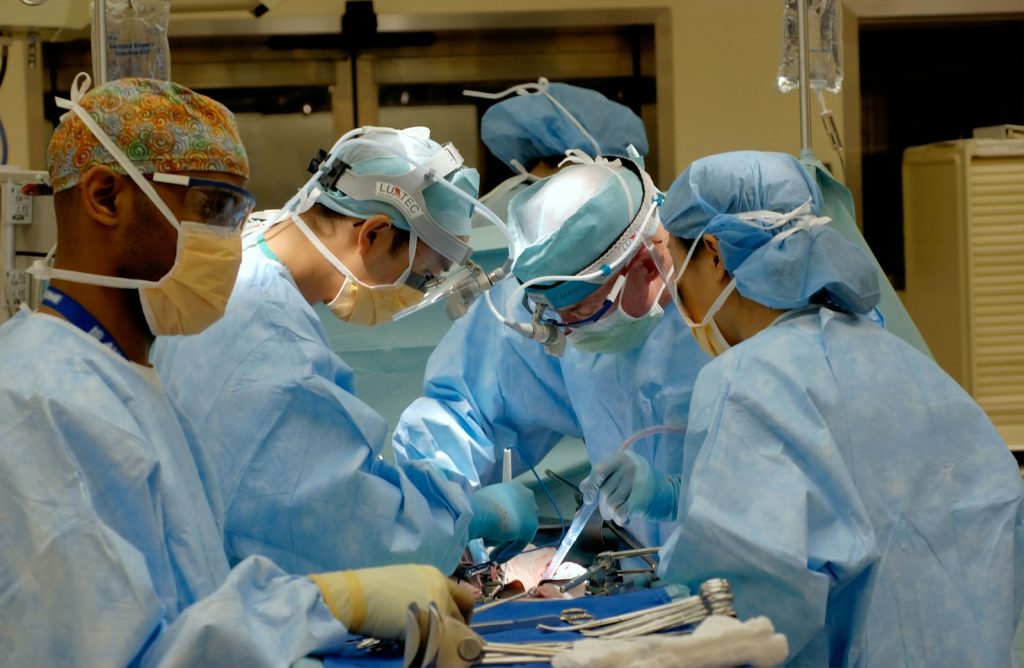
The surgery is done under general anesthesia, usually laparoscopically through small openings in the abdomen. It involves the following main steps:
- Creating a small stomach pouch: the surgeon separates the upper part of the stomach using surgical staples, forming a small pouch about the size of an egg. The rest of the stomach stays in place, but food no longer passes through it.
- Dividing the small intestine: the small intestine is divided, and its lower end is connected to the small stomach pouch, so food goes directly from the pouch into the intestine.
- Reconnecting the upper part: the upper part of the intestine, which carries digestive juices from the remaining stomach, liver, and pancreas, is connected to the intestine farther down, so the juices meet the food later on.
The surgery usually takes a few hours, and the patient stays in the hospital for about two days, depending on their condition.
How Does the Surgery Help You Lose Weight?
- Less food intake: the small pouch fills up quickly, so you feel full on small amounts.
- Reduced absorption: because food bypasses part of the intestine, fewer calories and some nutrients are absorbed.
- Hormonal changes: the surgery affects the hormones that control hunger, fullness, and blood sugar. This is one reason diabetes sometimes improves afterward, even before major weight loss.
Who Is a Candidate for Gastric Bypass Surgery?
According to the 2022 updated guidelines from the American Society for Metabolic and Bariatric Surgery (ASMBS) and the International Federation (IFSO), bariatric surgery is generally considered in the following cases:
- A body mass index (BMI) of 35 or higher, with or without related health conditions.
- A BMI between 30 and 34.9 with metabolic diseases such as type 2 diabetes, especially when they aren’t controlled by other methods.
- Previous unsuccessful attempts to lose weight through diet and exercise under specialist supervision.
- No unstable psychiatric disorder or alcohol or drug addiction.
- Readiness to commit to supplements and follow-up for life.
Surgeons prefer a gastric bypass in certain cases, such as severe acid reflux, hard-to-control type 2 diabetes, or very severe obesity. You can read more about acid reflux (GERD). Choosing between procedures remains a decision your surgeon makes with you after an evaluation.
What Are the Advantages of Gastric Bypass?
- Significant, sustained weight loss: weight comes off quickly in the first few months, averaging about half to two-thirds of excess weight within the first two years.
- Long-term results: studies show that many patients keep off a large part of the weight they’ve lost for many years, as long as they stick to a healthy lifestyle.
- Improvement in obesity-related diseases: such as type 2 diabetes, high cholesterol and blood pressure, sleep apnea, and joint pain.
- Treating acid reflux: the surgery often clearly relieves reflux symptoms, unlike the sleeve, which may worsen them.
- Improved metabolism and blood sugar control.
How Does Gastric Bypass Differ From Other Procedures?
| Comparison | Standard gastric bypass | Gastric sleeve | Mini gastric bypass |
|---|---|---|---|
| How it works | A small pouch and two connections in the intestine | Removing most of the stomach without rerouting the intestine | A long, narrow stomach tube and a single connection to the intestine |
| Effect on reflux | Usually improves it | May cause or worsen it | Bile reflux may occur in some patients |
| Vitamin deficiencies | More likely; requires supplements for life | Relatively less likely, but supplements are essential | Possible; requires supplements for life |
| Reversibility | Technically possible but complex | Not reversible | Technically possible |
Learn more about gastric bypass surgery, the mini gastric bypass, and the gastric sleeve to compare your options.
How Do You Prepare for Gastric Bypass Surgery?
Before surgery, patients go through a preparation phase designed to make the operation safer and the results better. It usually includes:
- A comprehensive medical evaluation: blood tests, a heart and lung assessment, and sometimes an upper endoscopy before surgery.
- Nutritional and psychological assessment: to understand your eating habits and make sure you’re ready for change.
- A pre-surgery diet: usually high in protein and low in calories for about two weeks, to shrink the liver and make laparoscopic surgery easier.
- Quitting smoking: weeks before surgery, because smoking increases the risk of an ulcer at the connection site and of lung and wound complications.
- Medication review: especially blood thinners, diabetes medications, and anti-inflammatory drugs—only according to your doctor’s instructions.
What Can You Expect After Gastric Bypass?
After surgery, your diet progresses gradually from clear liquids to full liquids, then pureed food, then soft food, and finally regular food over about 6 to 8 weeks. During this period, portions are very small to speed recovery and reduce complications. After that, you’ll notice you feel full on much smaller amounts than before. The most important rules include:
- Supplements for life: such as multivitamins, calcium, vitamin D, vitamin B12, and iron, because their absorption decreases after surgery.
- Regular blood tests to detect any deficiency early.
- Protein first at every meal.
- Avoid concentrated sugars and sweets to reduce dumping syndrome.
- Don’t drink with meals; leave about 30 minutes between eating and drinking.
- Regular physical activity to maintain your results.
What Are the Potential Risks of Gastric Bypass?
Like any surgery, the procedure carries potential risks that depend on factors such as age, weight, and overall health. They are usually divided into:
- Early complications: bleeding, infection, blood clots, and leaks from the connection sites—an important complication the medical team monitors closely in the first few days.
- Dumping syndrome: sugar-rich food passing too quickly into the intestine, causing nausea, sweating, dizziness, and diarrhea.
- Bowel obstruction and internal hernia: complications that can occur months or years later, usually showing up as recurrent or severe abdominal pain that requires immediate medical attention.
- Marginal ulcer (at the connection site): the risk increases with smoking and anti-inflammatory drugs.
- Vitamin and mineral deficiencies: such as iron, B12, and calcium, if the patient doesn’t stick to supplements.
- Gallstones: due to rapid weight loss.
- Low blood sugar after eating: in some patients, some time after surgery.
Many of these risks are reduced with a good evaluation before surgery, having the operation at a well-equipped facility, quitting smoking, and following instructions and follow-up.
Frequently Asked Questions
Which is better: gastric bypass or gastric sleeve?
No single procedure is best for everyone. Gastric bypass is usually preferred with severe reflux and some cases of diabetes, while the sleeve suits other cases. The decision is made after your surgeon’s evaluation.
Can weight come back after gastric bypass?
Yes, some patients may regain some weight over time, especially if they go back to eating sugar, snacking frequently, and moving less.
Can I get pregnant after gastric bypass surgery?
Yes, but it’s recommended to wait 12 to 18 months, with close monitoring of vitamins and use of effective contraception, because absorption of birth control pills may be affected.
Can a gastric sleeve be converted to a gastric bypass?
Yes. This is sometimes done when severe reflux or weight regain occurs after a sleeve, as part of what’s known as revisional surgery.
When can I go back to work after gastric bypass?
Many patients return to office work within roughly two to four weeks; physically demanding jobs need more time.
If you’re considering gastric bypass and want to know which procedure suits your case best, you can book a consultation with Dr. Hasan Jalamneh to evaluate your health and discuss your options through our Contact Us page.
This article is for general educational purposes only and is not a substitute for advice from a qualified doctor.