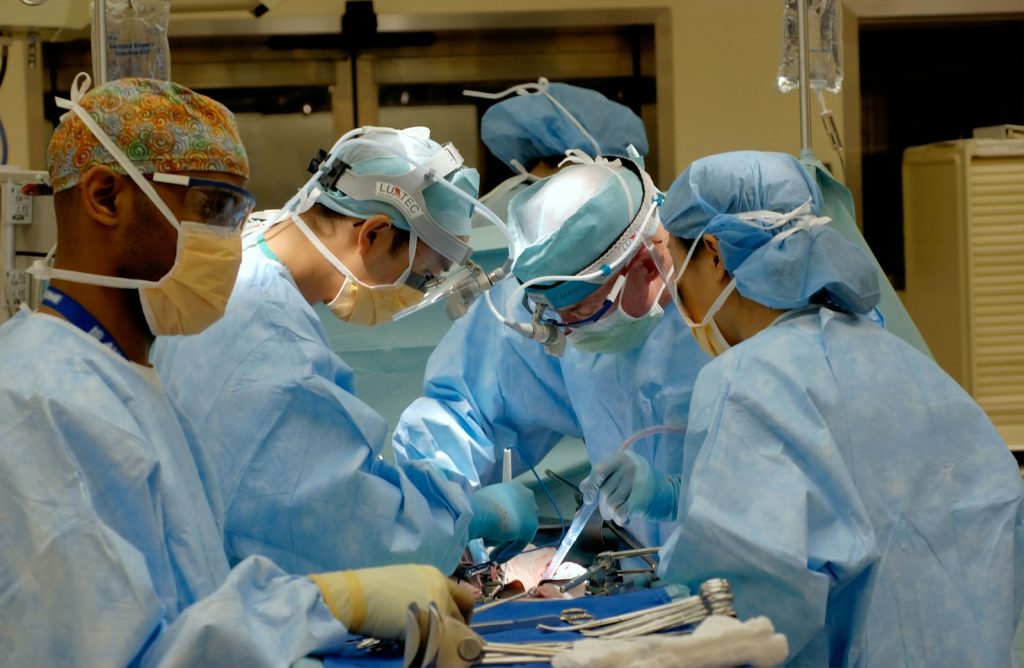
Laparoscopic SASI surgery (single anastomosis sleeve ileal bypass) is a relatively new weight-loss operation that combines a gastric sleeve with a single side-to-side connection between the lower part of the stomach and the last part of the small intestine. This gives food two routes: the natural route through the duodenum, and a shortcut to the end of the intestine. The operation works by reducing the size of the stomach, lowering the hunger hormone (ghrelin), and speeding up the arrival of food in the intestine, which stimulates fullness hormones.
Its name is an abbreviation of the English phrase Single Anastomosis Sleeve Ileal Bypass, meaning “a sleeve gastrectomy with a bypass to the ileum through a single connection,” and it is also known as a bipartition bypass or “sleeve with transit bipartition.” In this article, we explain how it is performed, who it suits, what its results and risks are, and what you should know before choosing it.
What Is Laparoscopic SASI Surgery and How Does It Work?
SASI developed from the idea of combining the advantages of a gastric sleeve with those of bypass procedures, while preserving the natural passage of food through the duodenum. It affects weight and metabolism through three main mechanisms:
- Reducing stomach size: Most of the stomach is removed, leaving a tube, so the patient feels full after a small amount of food.
- Hormonal effect: The upper part of the stomach (the fundus), which produces most of the hunger hormone ghrelin, is removed, so appetite decreases in many patients.
- Stimulating fullness hormones: Part of the food reaches the end of the small intestine quickly, which triggers the release of hormones such as GLP-1 that increase the feeling of fullness and improve blood sugar regulation.
Because some of the food continues along its natural route through the duodenum, part of the absorption stays normal, which in theory sets it apart from operations that completely bypass a section of the intestine. Even so, it is not free from the risk of vitamin and mineral deficiencies, as we explain below.
How Is Laparoscopic SASI Surgery Performed?
The operation is performed laparoscopically through small incisions in the abdomen and usually involves the following steps:
- General anesthesia: The patient is fully asleep throughout the operation.
- Sleeve gastrectomy: The surgeon divides most of the stomach lengthwise using surgical staplers, leaving a narrow tube with a capacity of roughly 60 to 80 ml.
- Locating the intestine: The surgeon measures a specific length from the end of the small intestine (the ileum), near where it joins the colon, and carefully selects the connection point.
- The side-to-side connection: A small opening is made in the lower stomach (the antrum) and in the ileum, and the two are joined with a single side-to-side connection, without cutting the intestine.
- Preserving the natural route: The stomach’s natural outlet (the pylorus) stays connected to the duodenum and the rest of the intestine as it was.
As a result, food has two routes out of the stomach: the first is the natural route from the end of the sleeve to the duodenum and the start of the small intestine, and the second is a shortcut from the lower stomach to the end of the small intestine near the large intestine, which is why it is also called a bipartition bypass. The surgeon decides technical details, such as the length of intestine bypassed, based on each patient’s condition.
Who Is a Candidate for Laparoscopic SASI Surgery?
SASI follows the same general criteria as other bariatric surgeries. According to the 2022 updated recommendations of the American Society for Metabolic and Bariatric Surgery (ASMBS) and the International Federation for the Surgery of Obesity (IFSO), bariatric surgery is an option in the following cases:
- A body mass index of 35 or higher, regardless of other health conditions.
- A body mass index between 30 and 34.9 with obesity-related conditions, especially type 2 diabetes, when non-surgical methods haven’t worked.
Health problems that make treatment more urgent include:
- High blood pressure.
- Type 2 diabetes.
- Heart disease.
- Obstructive sleep apnea.
- High blood lipids.
But meeting these criteria doesn’t automatically mean SASI is the best choice. The type of operation depends on weight, related health conditions, the presence of acid reflux, eating habits, and the patient’s ability to stick with supplements and follow-up. That’s why the surgeon compares it with other options such as the gastric sleeve and mini gastric bypass before making a decision.
What Are the Results of Laparoscopic SASI Surgery on Weight and Health?
Studies published so far suggest that SASI achieves significant loss of excess weight in the first year, fastest in the first few months and then gradually slowing, similar to other bariatric operations. Some early studies reported high rates of excess weight loss after one year, but they were small and relatively short-term, so their figures should not be taken as a promise for every patient.
Health benefits observed after the operation include:
- Improved high blood sugar levels; some people with diabetes may reduce their medications under medical supervision.
- Improved high blood pressure.
- Lower cholesterol and triglyceride levels.
- Relief of sleep apnea symptoms.
- Less joint pain and better mobility as weight comes off.
Actual results still vary from person to person depending on starting weight, age, physical activity, and commitment to the diet and follow-up.
How Does SASI Compare With the Gastric Sleeve and Mini Gastric Bypass?
The table below shows general differences between these operations; remember that your surgeon decides which is best for each case:
| Comparison | Gastric sleeve | SASI | Mini gastric bypass |
|---|---|---|---|
| Stomach reduction | Yes, into a tube | Yes, into a tube | Yes, a long, narrow stomach pouch |
| Connection to the intestine | None | One connection to the end of the small intestine | One connection to the small intestine |
| Food passes through the duodenum | Yes | Yes, partially | No |
| Possible to examine the duodenum by endoscopy later | Yes | Usually yes | Difficult |
| Long-term data | Extensive | Still limited | Good and growing |
An important point is that SASI is newer than the gastric sleeve and gastric bypass, and there is still less long-term research on it. For this reason, it is not yet considered one of the most widely used standard operations in international guidelines, and it is performed at selected centers for selected patients.
Is Laparoscopic SASI Surgery Dangerous?
Laparoscopic SASI is generally considered safe when performed by a surgeon specialized in bariatric surgery, but like any major operation, it is not without risks. The chance of complications is lower with a thorough evaluation before surgery and when the patient follows instructions afterward. Possible complications include:
- Early complications: Bleeding, leakage from the staple line or the connection, or blood clots in the legs that can travel to the lungs (pulmonary embolism).
- Digestive symptoms: Nausea and vomiting in the first few weeks, and diarrhea or excess gas in some patients.
- An ulcer at the connection site: The risk is higher with smoking and nonsteroidal anti-inflammatory painkillers.
- Bile reflux or heartburn in some patients.
- Bowel obstruction: Due to adhesions or an internal hernia; this is rare but requires prompt treatment.
- Vitamin and mineral deficiencies: Such as iron, vitamin B12, vitamin D, and calcium, and sometimes protein deficiency, which is why supplements and regular blood tests are an essential part of treatment.
It’s important to see a doctor immediately if you develop severe abdominal pain, fever, a racing heartbeat, persistent vomiting, or shortness of breath after surgery.
Are the Results of Laparoscopic SASI Surgery Lasting?
SASI can help most patients lose a large, noticeable amount of weight, but it is a tool, not a magic solution. Maintaining the result in the long term depends on:
- Following a balanced, high-protein diet and progressing through the food stages as your medical team recommends.
- Taking the prescribed supplements, usually for life.
- Getting regular physical activity that increases gradually.
- Keeping up with follow-up visits and regular blood tests to catch any deficiency early.
- Seeking psychological or nutritional support when needed, especially if old eating habits return.
You can learn more about what this stage involves on our life after surgery page.
Frequently Asked Questions
Is SASI better than a gastric sleeve?
Not in absolute terms. It may benefit some patients who need a stronger metabolic effect, especially those with diabetes, but it adds a connection to the intestine and more nutritional risks than the sleeve, and there is less long-term data on it. The decision depends on the surgeon’s evaluation of each case.
How long does laparoscopic SASI surgery take?
It usually takes a little longer than a gastric sleeve because it includes the step of connecting to the intestine, and the duration varies depending on the patient’s condition and the circumstances of the operation.
Will I need vitamins after SASI?
Yes. Most patients need vitamins and minerals permanently, with regular blood tests for iron, vitamin B12, vitamin D, calcium, and protein, because part of the food bypasses a section of the intestine.
When can I go back to work after SASI?
Many patients return to office work within about two to three weeks, while physically demanding jobs take longer; your doctor will decide based on how your recovery is going.
Can SASI be reversed?
Technically, the connection to the intestine can be taken down in selected cases, but the removed part of the stomach cannot be restored, so it should be considered a permanent operation when making your decision.
If you’re considering SASI or want to know which operation is best for your situation, you can book a consultation with Dr. Hasan Jalamneh to evaluate your health and discuss the available options clearly, through our Contact Us page.
This article is for educational purposes only and is not a substitute for consulting a qualified physician.