The first few days after gastric sleeve surgery are the most important stage of your recovery. Patients usually stay in the hospital for one to two nights, start drinking clear liquids in small sips, and get up and walk on the same day as surgery. Then they go home and follow a gradual, step-by-step diet over several weeks. It helps to know in advance what is normal and which warning signs mean you should call your doctor right away.
Knowing what to expect eases anxiety and makes recovery smoother. In this guide, we walk you step by step through what happens in the hospital, what you need at home, and how to handle pain, nausea, eating and activity during the first few weeks.
What happens in the hospital after gastric sleeve surgery?
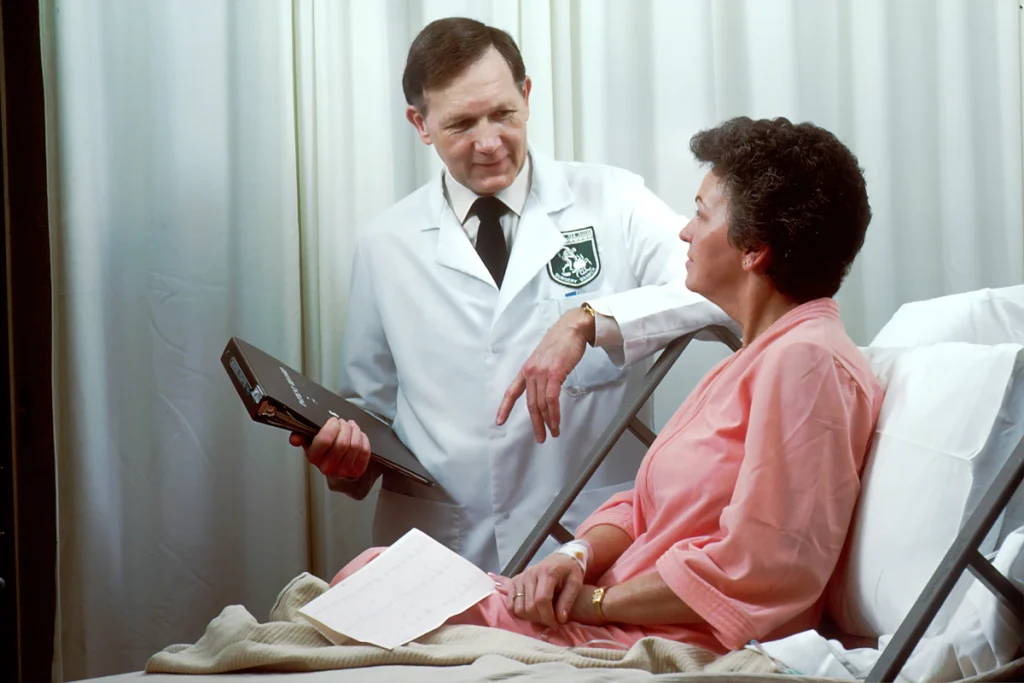
According to Mayo Clinic and Cleveland Clinic, the hospital stay after a sleeve gastrectomy is usually one to two nights, depending on how quickly you recover. During this time, the medical team keeps an eye on several things:
- Pain and nausea control: with appropriate medications, first through an IV and then by mouth.
- Early walking: you will be asked to walk a few hours after surgery to help prevent blood clots and get your bowels moving.
- Sips of water: you will start drinking clear liquids very slowly.
- Breathing exercises: to help prevent lung complications.
- Blood-thinner injections and compression stockings: as your doctor sees fit, to help prevent blood clots.
What symptoms are normal in the first few days?
Some symptoms are expected, are no cause for concern and improve gradually:
| Symptom | Cause | How to manage it |
|---|---|---|
| Pain at the small incision sites | Laparoscopic incisions | Prescribed pain relievers, and holding a pillow against your abdomen when you cough |
| Shoulder pain | The gas used during laparoscopy | Walking; it usually eases within a few days |
| Mild nausea | Anesthesia and the change in stomach size | Small sips, and anti-nausea medication if needed |
| Tiredness and fatigue | Low calorie intake and recovering from surgery | Rest combined with regular light walking |
| Bruising around the incisions | Normal after surgery | Fades on its own |
What should you eat in the first weeks after a gastric sleeve?
Mayo Clinic explains that the diet progresses gradually over several weeks: clear liquids, then full liquids, then pureed foods, then soft foods, and finally regular food. Your medical team decides how long each stage lasts based on your situation. Important general rules for the first few weeks include:
- Drink slowly, in small sips, throughout the day to avoid dehydration.
- Don’t drink while you eat; space out eating and drinking according to your team’s instructions.
- Start every meal with protein.
- Eat very small amounts and stop at the first sign of fullness.
- Avoid carbonated drinks and sugary foods.
- Start the vitamins your doctor prescribes on time; you will need them for life.
For more details on daily life and nutrition, read our Life After Surgery page.
How do you care for your incisions and stay active at home?
Discharge instructions after laparoscopic bariatric surgery are very similar from one procedure to another. MedlinePlus lists the following in its discharge instructions after gastric bypass surgery, which are very close to what is recommended after a sleeve:
- Start walking early, first around the house and then for longer distances.
- Avoid lifting heavy objects (more than about 10 to 15 pounds, or 4.5 to 7 kilograms) for the first two to four weeks, until your doctor says it’s OK.
- Keep your incisions clean and dry, and change the dressings as instructed.
- Don’t soak your incisions in a bathtub or swimming pool until your doctor allows it.
- Don’t drive while taking strong pain medication.
- Hold a pillow against your abdomen when you cough or sneeze.
When should you call your doctor right away after gastric sleeve surgery?
Some signs require urgent contact with your medical team or a trip to the emergency room:
- A temperature above 38°C (100.4°F).
- Abdominal pain that gets worse and doesn’t improve with pain medication.
- A very fast heart rate or shortness of breath.
- Repeated vomiting or being unable to keep liquids down.
- Redness, swelling or foul-smelling discharge from the incisions.
- Swelling or pain in your leg, or chest pain.
- Yellowing of the skin or eyes.
These signs may point to complications such as a leak, a blood clot or dehydration, and early treatment makes a big difference.
When can you get back to normal life?
Cleveland Clinic advises giving yourself about a month before expecting to return to work at full energy, since fatigue is common during this period. Many patients with desk jobs go back sooner, part-time, depending on how they feel. Your doctor will tell you when you can return to exercise and lifting weights.
What should you prepare at home before gastric sleeve surgery?
Preparing ahead makes coming home much easier and reduces stress for both you and your family. We advise our patients to have the following ready before their surgery date:
- Drinks suitable for the first stage: water, clear broth, and sugar-free, non-carbonated drinks, based on your dietitian’s list.
- Liquid and soft protein sources: such as low-fat yogurt drinks or the protein supplements your team recommends.
- Small cups and teaspoons: to help you stick to small portions and slow sips.
- A marked water bottle: to track how much fluid you drink during the day.
- Loose-fitting clothes: that don’t press on your incisions.
- A small pillow: to hold against your abdomen when you cough or laugh.
- A tracking notebook: to log fluids, protein and medications, plus blood sugar and blood pressure readings if you have diabetes or high blood pressure.
- Someone to stay with you: during the first days back home, to help you get around and remind you of your schedule.
We also recommend booking your first follow-up appointments before you leave the hospital and saving your medical team’s contact number in your phone. Having a clear plan lets you deal confidently with any question or symptom in the first few days, instead of relying on conflicting information from the internet or other people’s experiences.
How do you cope emotionally in the first few weeks?
Some patients experience mood swings or temporary regret in the first few weeks, especially with fatigue and a changing relationship with food. This is a common feeling and usually improves over time as you start to see results. Mayo Clinic notes that mood changes and depression are things to watch for after surgery. So talk to your medical team if sadness or anxiety persists, lean on your family for support, and remember that food is no longer a way to cope with stress; look for alternatives such as walking or talking with someone you trust.
The bottom line
For most patients, the early stage after gastric sleeve surgery goes smoothly if they stick to early walking, sipping fluids, advancing their diet gradually, taking their vitamins and watching for warning signs. Staying in regular contact with your medical team during these weeks is an essential part of a successful outcome. Read more about gastric sleeve surgery in detail.
Preparing for a gastric sleeve or recently had one and have questions? The team of Dr. Hasan Jalamneh, consultant in general, laparoscopic and bariatric surgery at Istishari Hospital in Amman, is ready to help. Contact us on WhatsApp at +962 79 606 0064 or through our Contact Us page.
Frequently asked questions
How many days will I stay in the hospital after a gastric sleeve?
Usually one to two nights, depending on how quickly you recover and whether you can drink fluids and walk.
Is shoulder pain normal after a gastric sleeve?
Yes. It’s usually caused by the gas used during laparoscopy and eases within a few days as you walk and move around.
When can I shower after surgery?
Your doctor will tell you when. Showering is usually allowed after a few days, as long as you avoid scrubbing or soaking the incisions.
When can I start eating solid food after a gastric sleeve?
After progressing through liquids, then pureed foods, then soft foods over several weeks, according to your medical team’s plan.
What is the most serious warning sign after a gastric sleeve?
A high fever with worsening abdominal pain, a racing pulse or shortness of breath. These require contacting your doctor immediately.
Sources
- Mayo Clinic – Sleeve gastrectomy
- Cleveland Clinic – Gastric Sleeve Surgery
- MedlinePlus – Gastric bypass surgery: discharge
This article is for educational purposes only and is not a substitute for medical advice from your doctor.