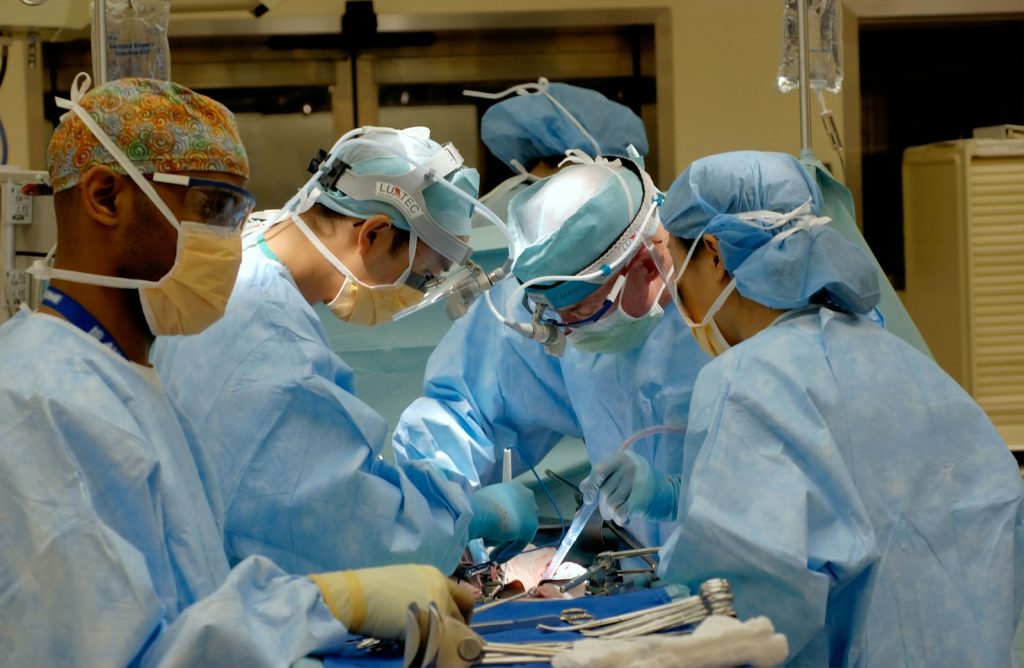
What do you know about bariatric surgery? Dr. Hasan Jalamneh, consultant in general, bariatric, and advanced laparoscopic surgery, answers some of the most important questions people think about before undergoing bariatric (weight-loss) surgery. Many people want to be sure about bariatric surgery, the reasons that lead people with obesity to seek it, and how these operations can help them feel better about themselves and improve their health. What are the types of bariatric surgery? Do they carry risks? You’ll find this and much more in this article.
What is the medical definition of obesity?
Medically, obesity in adults means having a body mass index (BMI) above 30, which indicates obesity, according to the US Centers for Disease Control and Prevention (CDC).
Some people may think obesity is a problem that can be solved by boosting a person’s self-confidence and self-acceptance without trying to lose weight. But being severely overweight or living with obesity is not just a cosmetic issue of having more body fat than normal; it can also increase the risk of chronic diseases such as heart disease, diabetes, and high blood pressure.
People can develop obesity for genetic reasons, because of medical conditions, or because of their environment and lifestyle.
What is bariatric surgery?
Bariatric surgery refers to surgical procedures that help treat severe obesity, either by reducing the size of the stomach to limit how much food a person can eat, or by rerouting the path of food to reduce how much is absorbed. This is where losing the excess weight begins.
These operations are used when other, non-surgical methods have not succeeded in reducing excess weight, or when there are serious health conditions that require losing weight as quickly as possible.
Depending on the bariatric procedure chosen, your doctor may recommend following:
- A special diet before surgery to help start weight loss.
- A liquid-based diet immediately after surgery, before soft and then solid foods are gradually introduced during recovery.
Although bariatric surgery offers many benefits, it can come with some risks and side effects, and patients must commit to a healthy lifestyle and regular exercise to maintain the results of surgery over the long term.
Reasons for bariatric surgery
Bariatric surgery can reverse or reduce the complications that may accompany the following conditions caused by severe obesity, such as:
● Diabetes.
● High blood pressure.
● Heart disease.
● Severe joint disease.
● Back pain.
● High cholesterol and blood fat levels.
● Sleep apnea or other obesity-related sleep problems.
What are the requirements for bariatric surgery?
The specialist doctor carefully evaluates the patient and may recommend a set of tests to help assess whether the patient truly needs surgery, and will of course choose what is best for each patient. The requirements are usually as follows:
● A body mass index of 40 or more, or more than 35 with obesity complications or other conditions.
● Being more than 45 kg (about 100 lb) above a healthy weight.
The most common types of bariatric surgery
● Gastric sleeve surgery
Also called sleeve gastrectomy, this is one of the newer bariatric procedures and is usually done laparoscopically. During the operation, about 80% of the total stomach volume is removed, leaving a stomach roughly the size and shape of a small banana.
Because the stomach is smaller, the amount of food a person can eat is reduced, so gastric sleeve surgery helps reduce hunger and helps you feel full faster.
● Gastric bypass surgery
This operation involves creating a pouch by stitching off a small part of the stomach and connecting it directly to the small intestine, rerouting food so that it passes from the esophagus into the stomach pouch and then directly into the small intestine.
Gastric bypass is one of the most frequently performed bariatric operations.
● Biliopancreatic diversion with duodenal switch (BPD/ DS)
This is one of the less commonly performed types of bariatric surgery, and it involves two main steps:
The first step is a sleeve gastrectomy, and the second step connects the duodenum to another part of the intestine, rerouting food through the digestive system. This reduces the amount of food a person can eat and also reduces the absorption of nutrients such as fats and proteins, which helps with losing excess weight.
These two steps can be done in one operation or in two separate operations, starting with the gastric sleeve and then the bypass once the patient has recovered and begun losing weight from the sleeve.
Although this type of bariatric surgery is very effective at reducing excess weight, it can come with more side effects, such as malnutrition and low vitamin levels. For this reason, it is usually recommended only for people with a BMI over 50.
● Laparoscopic adjustable gastric banding (LAGB)
An adjustable band is placed around the upper part of the stomach using a laparoscope. This reduces the size of the stomach and therefore the amount of food a person can eat, which helps with losing excess weight.
Gastric banding is an adjustable bariatric procedure: the band can be loosened or tightened depending on weight-loss results. Saline can be injected into the band to tighten it and make the stomach smaller, or withdrawn from it to loosen it and make the stomach larger.
● Gastric balloon
A balloon is inserted into the stomach and filled with saline to reduce the stomach’s capacity as appropriate for the case, helping with weight loss.
The size of the balloon can be adjusted during regular follow-up visits with your doctor, depending on weight-loss results.
However, the gastric balloon is a temporary procedure: the balloon is left in the stomach for a maximum of 6 months before it is removed.
How to choose the right bariatric procedure
All types of bariatric surgery help with weight loss, but each has advantages and disadvantages, so you should consult your doctor to determine what’s right for you. For example:
- You can lose more weight with a gastric sleeve or gastric bypass than with a gastric band.
- The risk of low vitamin levels and malnutrition increases with a gastric sleeve or gastric bypass.
- Unlike other bariatric procedures, the gastric balloon and gastric band can be reversed if any problems arise.
Risks of bariatric surgery
Bariatric surgery is generally safe, but in rare cases some complications may occur, including:
- Bleeding.
- Infection.
- Blood clots.
- Hernia.
- Small bowel obstruction.
- Leakage from the stomach pouch.
Bariatric surgery can also come with some side effects, including:
- Dumping syndrome: food moves too quickly into the small intestine in bypass procedures. It may come with symptoms such as nausea, diarrhea, abdominal cramps, and low blood sugar, but these symptoms usually improve gradually over time as the body adjusts to the new stomach shape and food pathway.
- Malnutrition or absorption problems: because the stomach is made smaller or the path of food is rerouted, the intestine’s ability to absorb various vitamins and nutrients may decrease. Your doctor will therefore prescribe the vitamins appropriate for bariatric surgery and recommend a special diet to make sure you get the nutrients you need.
- Bile reflux: bariatric surgery affects how bile flows from the gallbladder into the intestine, which can cause it to back up into the stomach, with symptoms such as heartburn and gastritis.
- Gallstones: rapid weight loss causes large amounts of cholesterol to be carried through the blood to the liver to be processed and eliminated. Cholesterol particles may settle in the gallbladder and form gallstones, so your doctor may recommend medication to prevent gallstones after surgery.
Sources:
- https://www.mayoclinic.org/diseases-conditions/obesity/symptoms-causes/syc-20375742
- https://www.healthline.com/health/obesity
- https://www.mayoclinic.org/tests-procedures/bariatric-surgery/about/pac-20394258
- https://www.verywellhealth.com/bariatric-surgery-defined-3157049#toc-purpose-of-bariatric-surgery
- https://www.mayoclinic.org/tests-procedures/gastric-bypass-surgery/about/pac-20385189
- https://www.mayoclinic.org/tests-procedures/biliopancreatic-diversion-with-duodenal-switch/about/pac-20385180
- https://www.nhs.uk/conditions/weight-loss-surgery/types/
- https://my.clevelandclinic.org/health/treatments/17285-bariatric-obesity-surgery#risks–benefits
- https://www.hopkinsmedicine.org/health/treatment-tests-and-therapies/laparoscopic-adjustable-gastric-banding