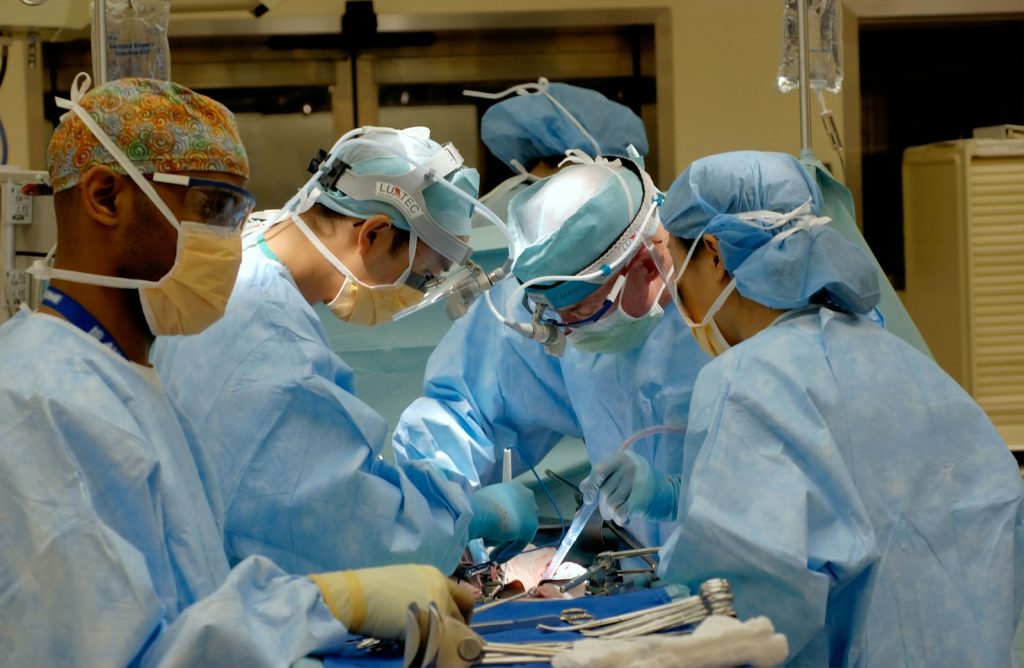
There are many myths about bariatric surgery, such as that it’s extremely dangerous, that all the weight will inevitably come back, or that it’s an “easy way out” for people who lack willpower. The truth is that modern bariatric (weight-loss) surgery is usually performed laparoscopically and is considered relatively safe when the right patient is selected, but it is a powerful tool that requires lifelong commitment, not a magic fix. In this article, we correct the most common bariatric surgery myths based on what the American Society for Metabolic and Bariatric Surgery (ASMBS), Mayo Clinic and Cleveland Clinic say.
These myths cause needless worry for many people who could benefit from surgery, and on the other hand lead some to expect unrealistic results. That’s why the best step is to ask your surgeon about everything that concerns you and base your decision on accurate information.
What are the most common bariatric surgery myths?
Here are the most widespread misconceptions, and the medical facts behind each one:
| Myth | The facts in brief |
|---|---|
| Bariatric surgery is extremely dangerous | The risk of serious complications is low, comparable to common operations such as gallbladder removal |
| All the weight will come back after surgery | Most patients keep off a large part of the weight they lose if they stay committed |
| Diet and exercise are always enough | In severe obesity, they rarely achieve long-term results on their own |
| Surgery prevents pregnancy | It often improves fertility, though pregnancy should be postponed for a while after surgery |
| The results are immediate | Weight comes off gradually over one to two years |
| You’ll never enjoy food again | You go back to eating varied, tasty food in smaller portions |
| Surgery solves every health problem | It improves many related conditions, but it isn’t a magic cure |
Is bariatric surgery dangerous?
This is one of the most widespread myths. It’s true that any surgery carries risks such as bleeding, infection, anesthesia complications or blood clots, but the American Society for Metabolic and Bariatric Surgery notes that the risk of serious complications in bariatric surgery is low, comparable to common operations people undergo without much fear, such as gallbladder removal. This is thanks to most of these operations being done laparoscopically, advances in anesthesia, and following protocols for evaluation before surgery and early mobility afterward.
On the other hand, severe obesity itself carries major long-term health risks, such as diabetes, heart disease and sleep apnea. That’s why the surgeon weighs the risks of surgery against the risks of continued obesity for each patient individually.
Will all the weight come back after bariatric surgery?
No, that’s not true for most patients. Cleveland Clinic and Mayo Clinic note that most patients keep off a large part of the weight they lose over the long term. However, it’s normal for some patients to regain some weight after the first or second year, especially when they:
- Go back to constant snacking and sweets.
- Drink a lot of high-calorie beverages.
- Neglect protein and physical activity.
- Stop medical and nutritional follow-up.
The good news is that stepping in early when you notice weight creeping up helps a lot, and in certain cases revisional bariatric surgery may be needed after a careful evaluation.
Aren’t diet and exercise better than surgery?
Diet and exercise are the foundation of any weight-loss plan and should be tried first. But in cases of severe obesity, medical sources indicate that most people can’t lose a large amount of weight and keep it off for years with diet alone, because the body resists weight loss by increasing hunger hormones and slowing metabolism.
Bariatric surgery doesn’t just reduce the size of the stomach; it also affects the hormones that control fullness and hunger, which helps you maintain the result. Even so, a healthy diet and exercise remain an essential part of life after surgery. Surgery isn’t a replacement for them but a partner to them.
Does bariatric surgery affect pregnancy and fertility?
Usually in a positive way. Obesity is a cause of ovulation problems and polycystic ovaries in women, and of low testosterone in men, and fertility may improve in many patients as they lose weight. However, it’s usually recommended to postpone pregnancy for 12 to 18 months after surgery, the period of rapid weight loss, until your weight stabilizes and your nutrition is adequate for both mother and baby. It’s important to use suitable contraception during this period and discuss it with your doctor, and to tell your OB-GYN about your surgery when planning a pregnancy.
Do the results of surgery show right away?
No. Weight starts coming off within the first few weeks, usually faster in the first six months, then gradually slows until it levels off within one to two years. In the first few days, you may notice slight bloating from fluids, which is normal. For many patients, blood sugar and blood pressure begin to improve early, even before much weight is lost. Read more about the recovery stages on our Life After Surgery page.
Will I have to give up tasty food forever?
No. In the first few weeks, you go through dietary stages that start with liquids, then pureed and soft foods, before gradually returning to regular food. After that, you can enjoy varied, tasty food, but in smaller portions, putting protein first, eating slowly and chewing well. What you’ll really need to cut back on are fizzy drinks, sugary foods and very fatty foods, because they can cause discomfort or slow your weight loss.
Does surgery solve every health problem?
It isn’t a magic cure, but it can greatly improve many obesity-related conditions, such as type 2 diabetes, high blood pressure, high cholesterol and triglycerides, sleep apnea, joint pain and fatty liver. The degree of improvement varies from patient to patient: some are able to stop certain medications, while others only reduce them. Sticking to a healthy lifestyle is what preserves these benefits.
Will the urge to overeat disappear on its own?
Appetite drops considerably in the first few months, but surgery alone doesn’t treat emotional eating or binge eating. Mayo Clinic cautions that these habits can return over time if they aren’t addressed. That’s why a psychological evaluation before surgery, working with a dietitian, and seeking psychological support when needed are recommended.
Is bariatric surgery only for people with very high body weight?
Not necessarily. According to the 2022 guidelines from the ASMBS and the International Federation for the Surgery of Obesity (IFSO), surgery can usually be considered in the following cases, after non-surgical methods have failed:
- A body mass index (BMI) of 35 or higher, whether or not there are related health conditions.
- A BMI of 30 to 34.9 with metabolic diseases such as uncontrolled type 2 diabetes.
- Slightly lower thresholds for Asian populations, because the risks of obesity appear at a lower BMI.
The final decision is made by the surgeon after a comprehensive evaluation that includes your physical and mental health and medical history. You can learn about the different surgical options, such as gastric sleeve surgery, to find out what suits each case.
Is bariatric surgery an “easy way out”?
This myth is unfair to many patients. Obesity is a chronic disease with genetic, hormonal and environmental causes; it isn’t simply a lack of willpower. Surgery requires preparation, a radical change in eating habits, nutritional supplements that are often lifelong, and regular follow-up. It’s an effective tool, but the real work begins afterward.
Frequently asked questions
Do I need to take vitamins for life after bariatric surgery?
Usually yes, especially after procedures that affect absorption, such as gastric bypass. Your doctor decides the type and dose of supplements based on your procedure and regular lab tests.
Can the stomach stretch after a gastric sleeve?
The stomach may widen slightly over time, which is expected to a limited degree. But the most important factor in weight regain is usually the type of food you eat, frequent snacking and high-calorie drinks.
When can I get pregnant after bariatric surgery?
It’s usually recommended to wait 12 to 18 months after surgery until your weight and nutrition stabilize, and to discuss the right timing with your surgeon and OB-GYN.
Does every patient get loose skin after surgery?
Not to the same degree. It depends on how much weight is lost, your age and your skin type. Exercise and protein may help, and some patients choose cosmetic surgery later on.
Can people with diabetes have bariatric surgery?
Yes. In fact, type 2 diabetes is one of the most important conditions that may benefit from bariatric surgery, and in certain cases surgery may be considered even with a BMI below 35, after the doctor’s evaluation.
If you have questions or concerns about bariatric surgery, don’t base your decision on what people say. Book a consultation with Dr. Hasan Jalamneh to discuss your situation personally and find out the best option for you, through our Contact Us page.
This article is for educational purposes only and is not a substitute for consulting a qualified doctor.