The gastric sleeve surgery steps begin with a first consultation with the surgeon to assess your weight and any related health conditions, followed by tests and several weeks of preparation, then the laparoscopic surgery itself, which usually takes 60 to 90 minutes, and a short hospital stay of one to two days. The journey ends with a regular, lifelong follow-up plan. Knowing these stages in advance eases anxiety and helps you prepare well.
In this article, we walk you through the patient journey step by step as it usually unfolds in Jordan, from your first clinic visit to the years after surgery. To learn about the procedure itself and who it suits, visit our main page on gastric sleeve surgery.
Step 1: What happens at the first consultation?
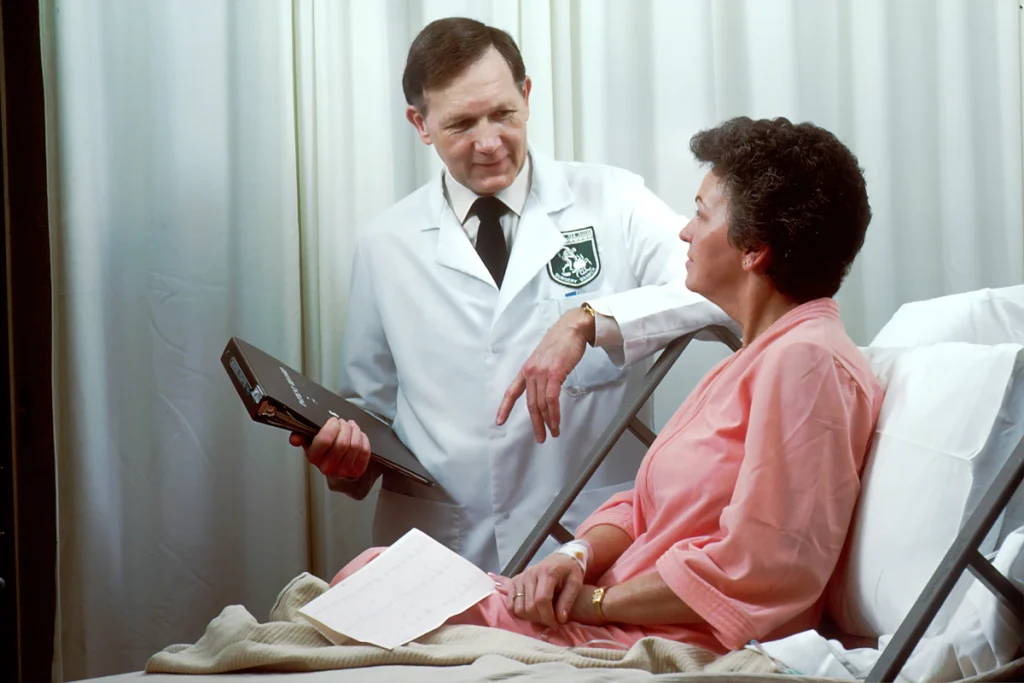
The first visit is the foundation of the gastric sleeve surgery steps. The team measures your height and weight and calculates your body mass index (BMI), and the surgeon asks you about:
- Your weight history and previous attempts at dieting, exercise and medication.
- Related conditions such as diabetes, high blood pressure, acid reflux and snoring.
- Previous abdominal surgeries and the medications you take.
- Your eating habits, smoking and lifestyle.
According to the 2022 criteria of the two international societies, ASMBS and IFSO, bariatric surgery is recommended for people with a BMI of 35 or higher, and considered for those with a BMI between 30 and 34.9 who have a metabolic disease such as diabetes. Mayo Clinic says the operation is usually offered after long-term attempts to lose weight by non-surgical means have not worked.
At the end of the consultation, the surgeon will explain whether a gastric sleeve is the best option, or whether gastric bypass or a programmable gastric balloon would suit you better. Don’t hesitate to ask all your questions.
Step 2: What tests are needed before surgery?
Once you’ve agreed on surgery, the evaluation phase begins. Mayo Clinic notes that it usually includes:
| Test | Purpose |
|---|---|
| Blood tests | Blood sugar, liver and kidney function, thyroid, vitamins and iron |
| Heart and lung tests | Making sure you can safely handle anesthesia and surgery |
| Sleep study | If sleep apnea is suspected |
| Medication review | Adjusting blood thinners and diabetes medications before surgery |
| Dietitian consultation | Preparing for the eating stages after surgery |
| Psychological evaluation | Supporting the patient and identifying emotional eating or depression |
Many surgeons also order an upper endoscopy to assess acid reflux and check for a hiatal hernia.
Step 3: How do you prepare in the weeks before surgery?
- Liquid diet: Many centers require a liquid diet for about two weeks to reduce fat around the abdomen and liver, which makes surgery safer, according to Cleveland Clinic.
- Quit smoking: Mayo Clinic recommends stopping smoking, vaping and nicotine, and limiting alcohol.
- Get your home ready: clear liquids, liquid protein sources chosen by your team, a comfortable pillow, and someone to help you in the first few days.
- Arrange time off work: plan a leave that suits the type of work you do.
- Fasting: Cleveland Clinic advises not eating or drinking for 12 hours before surgery, or as your team instructs.
Step 4: What happens on the day of surgery?
You will usually be admitted to the hospital on the morning of surgery, and the anesthesiologist will review your case. The operation is performed under general anesthesia using laparoscopy through small openings in the abdomen. The surgeon removes about 80% of the stomach using surgical staples, leaving a narrow tube. According to Cleveland Clinic, the operation usually takes between 60 and 90 minutes.
After you wake up, you’ll be moved to your room. The team will encourage you to walk a few hours later to help prevent blood clots, and you’ll start taking small sips of water as instructed.
Step 5: The hospital stay and discharge
The stay usually lasts one to two days, to control pain and nausea and make sure you can drink fluids. The NHS notes that most patients leave the hospital within 1 to 3 days. Before you’re discharged, you’ll receive:
- Written instructions for the eating and drinking stages.
- Medications: pain relievers, a stomach protector and sometimes blood-thinner injections.
- Your first follow-up appointment and an emergency contact number.
- A list of warning signs that mean you should come back right away, such as fever, severe abdominal pain or being unable to drink.
Step 6: The first weeks at home
Your diet progresses in stages: liquids at first, then pureed foods, then soft foods, then regular food in small portions. The NHS describes an approximate sequence lasting about eight weeks. Most patients return to their usual activities within 4 to 6 weeks. Read the details on our Life After Surgery page.
Step 7: What does the follow-up schedule look like after a gastric sleeve?
| Timing | What happens? |
|---|---|
| Weeks 1 to 2 | Checking the incisions, making sure you’re drinking enough, and moving on to the next stage |
| Months 1 to 3 | Monitoring weight, nutrition and medications |
| Every 3–6 months in the first year | Vitamin and mineral tests, according to ASMBS guidelines |
| After the first year | A checkup and lab tests at least once a year, for life |
Follow-up is not a formality. Mayo Clinic notes that patients need daily vitamins for life, and that the team adjusts the nutrition plan, activity or behavioral support if weight loss stalls or weight comes back.
What results can you expect at the end of the journey?
According to Mayo Clinic, patients lose on average 25% to 30% of their total body weight within one to two years. The NIDDK notes that bariatric surgery can improve diabetes, high blood pressure, sleep apnea and joint pain. See examples on our Before and After page.
What questions should you prepare for your first consultation?
Many patients leave their consultation and then remember questions they forgot to ask. That’s why we recommend writing your questions down in advance and bringing your medical reports and a list of your medications. Useful questions include:
- Is a gastric sleeve the best option for me, and why? What alternatives are available?
- What tests do I need, and how long does the preparation phase take?
- Do I have acid reflux or a hiatal hernia that could affect the type of surgery?
- Which medications should I stop or adjust before surgery?
- How long will I stay in the hospital, and when can I go back to work?
- What is the follow-up schedule after surgery, and whom do I contact in an emergency?
- Which vitamins will I need, and what regular lab tests are required?
Bringing a family member to your consultation is also a good idea. Having a supportive person with you helps you remember the instructions and makes them a partner in your journey after surgery, especially in the first few weeks when you’ll need help preparing fluids and suitable food.
The bottom line: gastric sleeve surgery steps in brief
The gastric sleeve surgery steps are seven connected stages: consultation, tests, preparation, the day of surgery, the hospital stay and discharge, recovery at home, and lifelong follow-up. Each step contributes to your safety and to a successful long-term result.
Ready to start your journey? Book your first consultation with Dr. Hasan Jalamneh, consultant in general, laparoscopic and bariatric surgery, at Istishari Hospital in Amman. Reach us on WhatsApp, call +962 79 606 0064, or use our Contact Us page.
Frequently asked questions
How long do the gastric sleeve surgery steps take from consultation to surgery?
It depends on the tests needed, getting related conditions under control and the length of the liquid diet. It can range from a few weeks to longer if additional evaluation is needed.
How many days will I stay in the hospital after a gastric sleeve?
Usually one to two days. The NHS notes that most patients go home within 1 to 3 days.
When can I get back to my usual activities after surgery?
Most patients return to their usual activities within 4 to 6 weeks, and people with desk jobs may return sooner, depending on the doctor’s assessment.
Is lifelong follow-up necessary after a gastric sleeve?
Yes. You’ll need daily vitamins and regular lab tests, every 3 to 6 months in the first year and then yearly, along with checkups with your medical team.
Sources
- Mayo Clinic – Sleeve gastrectomy
- ASMBS & IFSO 2022 – Indications for Metabolic and Bariatric Surgery (PMC)
- Cleveland Clinic – Gastric Sleeve Surgery
- NHS – Recovering from weight loss surgery
- ASMBS – Nutritional Guidelines for the Surgical Weight Loss Patient 2016 Update: Micronutrients
- NIDDK (NIH) – Weight-loss Surgery Benefits
This article is for educational purposes only and is not a substitute for medical advice from your doctor.