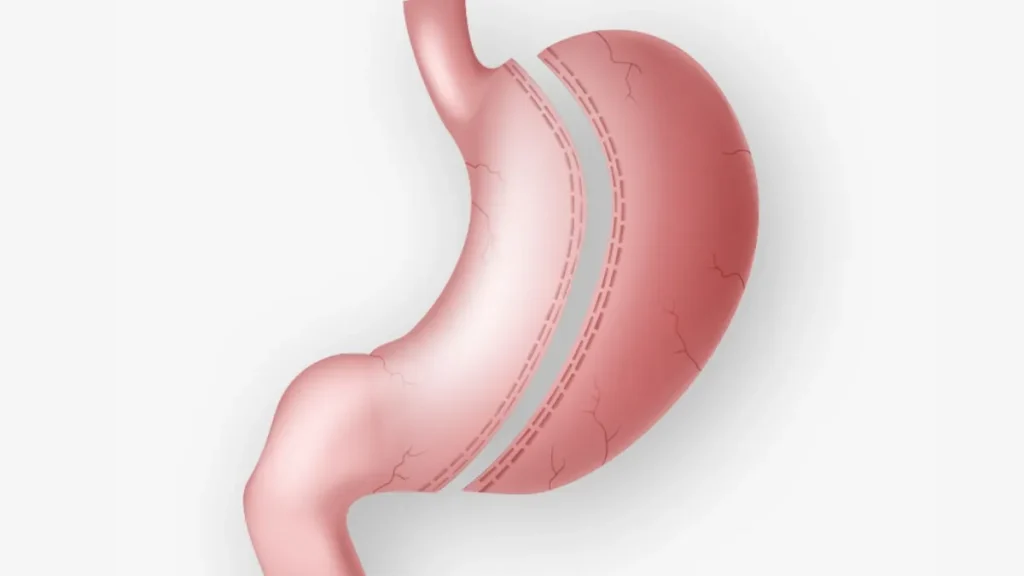
Tests before gastric sleeve surgery usually include comprehensive blood work, a heart and lung evaluation, a sleep study if your doctor suspects sleep apnea, a medication review, and a session with a dietitian plus a psychological evaluation. The purpose of these tests is to make sure the operation is safe for you and to find any problem that should be treated before surgery.
Many patients see the tests as a routine step, but they are actually one of the most important reasons the operation is safe and successful. In this article we explain the key tests before gastric sleeve surgery, why your surgeon orders them, and how to prepare.
Why do you need tests before gastric sleeve surgery?
Obesity is often accompanied by conditions the patient may not know about, such as undiagnosed diabetes, high blood pressure, fatty liver or sleep apnea. These conditions affect anesthesia and how quickly you recover. So the tests aim to:
- Assess whether your heart and lungs can safely handle anesthesia and surgery.
- Detect vitamin and iron deficiencies before the operation and correct them.
- Get chronic conditions such as diabetes and high blood pressure under control before surgery.
- Confirm that the gastric sleeve is the most suitable operation for you, or whether another option is better.
What are the most important blood tests before a gastric sleeve?
| Test | Purpose |
|---|---|
| Complete blood count (CBC) | Detect anemia or any infection |
| HbA1c (average blood sugar) and fasting blood sugar | Diagnose diabetes or assess how well it is controlled |
| Liver and kidney function | Assess fatty liver and kidney health before anesthesia and medications |
| Lipids (cholesterol and triglycerides) | Assess heart disease risk |
| Thyroid function | Rule out an underactive thyroid as a contributing cause of weight gain |
| Iron, ferritin, vitamin B12, vitamin D and folic acid | Detect deficiencies before surgery, because your needs increase afterward |
| Clotting tests and blood type | Safe preparation for surgery |
The American Society for Metabolic and Bariatric Surgery (ASMBS) micronutrient guidelines recommend checking vitamin and mineral levels before bariatric surgery, because deficiencies are common in people with obesity even before the operation.
Do I need heart and lung tests before a gastric sleeve?
Yes, in most cases. Mayo Clinic notes that the evaluation before a sleeve gastrectomy includes heart and lung tests. These may include:
- Electrocardiogram (ECG): a basic test for most patients.
- Echocardiogram (Echo), an ultrasound of the heart: if you have symptoms, previous heart disease or risk factors.
- Chest X-ray or lung function tests: especially for smokers or people with asthma or shortness of breath.
- Cardiology consultation: for those with a history of heart disease.
What is a sleep study and why might it be ordered?
Obstructive sleep apnea is common in people with obesity, and patients may not be aware of it. Symptoms include loud snoring, severe daytime sleepiness and waking frequently at night. Mayo Clinic says a sleep study is done when sleep apnea is suspected, because the condition affects anesthesia and breathing after surgery, and the patient may need a CPAP (continuous positive airway pressure) machine before and after the operation.
Is an upper endoscopy required before gastric sleeve surgery?
Many surgeons request an upper endoscopy before a gastric sleeve, especially for patients with heartburn or stomach symptoms. The endoscopy helps to:
- Detect a hiatal hernia that may need to be repaired during the operation.
- Assess esophagitis or acid reflux, because a gastric sleeve can increase heartburn in some patients.
- Detect H. pylori infection or ulcers and treat them before surgery.
Severe reflux may lead your surgeon to discuss gastric bypass with you instead of a gastric sleeve.
What role do the dietitian and the psychological evaluation play?
A gastric sleeve isn’t just an operation; it’s the start of a new lifestyle. That’s why, according to Mayo Clinic and Cleveland Clinic, preparation includes a consultation with a dietitian and a psychological evaluation. The dietitian helps you understand and prepare for the eating stages after surgery, while the psychological evaluation helps identify issues such as emotional eating or depression that need support before and after the operation.
How should you prepare in the weeks before surgery?
- Liquid diet: many centers require a liquid diet for about two weeks to shrink the liver and reduce abdominal fat, which makes surgery safer, according to Cleveland Clinic.
- Quitting smoking: Mayo Clinic recommends stopping smoking, vaping and nicotine before surgery, because they slow healing and increase complications.
- Medication review: some medications, such as blood thinners and certain diabetes drugs, need adjusting before surgery, so don’t stop any medication without consulting your doctor.
- Fasting before surgery: Cleveland Clinic advises not eating or drinking for 12 hours before surgery, or as instructed by your team.
- Home arrangements: stock up on fluids and a suitable liquid protein, and arrange for someone to help you during the first few days.
What if the tests uncover a health problem?
Sometimes pre-surgery tests reveal something the patient didn’t know about, such as undiagnosed diabetes, anemia, sleep apnea or H. pylori infection. This doesn’t necessarily mean the operation will be canceled; more often it means:
- Treating the problem first: such as getting blood sugar under control or replacing iron and vitamin D before surgery.
- A short delay: until the condition stabilizes and the operation becomes safer.
- Adjusting the surgical plan: such as repairing a hiatal hernia during the operation, or choosing a different procedure if there is severe reflux.
- Special anesthesia preparation: such as using a CPAP machine for sleep apnea patients.
Finding these problems before surgery is a real advantage, not an obstacle, because it protects you from complications that could have occurred during or after the operation. Treating related conditions also improves your overall health regardless of the surgery. So treat the testing stage as an opportunity to understand your body well before starting a new journey, and ask your doctor what each result means and what follows from it.
The bottom line
Tests before gastric sleeve surgery are not a formality; they are an essential step for your safety and for the long-term success of the operation. Following through with them and with the preparation reduces risks and speeds recovery. Your doctor decides which tests each patient needs based on age and health status, so not everyone needs the same list.
To learn about the procedure itself, read our gastric sleeve surgery page.
Preparing for a gastric sleeve? Book your consultation with Dr. Hasan Jalamneh at Istishari Hospital in Amman, who will determine the right tests for your case. Reach us via WhatsApp, call +962 79 606 0064, or use our Contact Us page.
Frequently asked questions
How long do the tests before gastric sleeve surgery take?
Results for most basic tests come back within a few days, but the full preparation period may take longer if the patient needs a heart evaluation, a sleep study or better diabetes control.
Is an upper endoscopy necessary before a gastric sleeve?
It isn’t mandatory for every patient, but many surgeons request it, especially when there is heartburn or digestive symptoms, to detect a hiatal hernia or inflammation.
Why does the doctor test vitamin levels before surgery?
Because iron, vitamin D and B12 deficiencies are common in people with obesity, and correcting them before surgery is easier and safer than discovering them afterward.
Do I need to stop smoking before a gastric sleeve?
Yes, you’re advised to stop smoking and all nicotine products before surgery, because they slow wound healing and increase the risk of complications.
Sources
- Mayo Clinic – Sleeve gastrectomy
- Cleveland Clinic – Gastric Sleeve Surgery
- ASMBS – Nutritional Guidelines for the Surgical Weight Loss Patient 2016 Update: Micronutrients
This article is for educational purposes only and is not a substitute for medical advice.