How much weight loss after gastric sleeve surgery should you expect? On average, patients lose between 25% and 30% of their total body weight within the first one to two years after surgery, according to Mayo Clinic and Cleveland Clinic. Weight comes off fastest in the first few months, then gradually slows down, with most of it lost within the first 12 months.
But these figures are averages, and actual results vary from person to person depending on starting weight, age, physical activity, and how closely you follow your diet. In this article, we explain how weight loss usually progresses after a gastric sleeve, how to estimate what you can expect, and why plateaus sometimes happen.
How Much Weight Loss After Gastric Sleeve Is Average?
The figure most often used in medical sources is a loss of 25% to 30% of total body weight within one to two years. Cleveland Clinic notes that this average stays relatively stable for up to five years in many patients, although some regain part of the weight.
Here are some sample calculations to show what this percentage means:
| Weight before surgery | 25% loss | 30% loss | Approximate expected weight |
|---|---|---|---|
| 100 kg | 25 kg | 30 kg | 70 – 75 kg |
| 120 kg | 30 kg | 36 kg | 84 – 90 kg |
| 140 kg | 35 kg | 42 kg | 98 – 105 kg |
| 160 kg | 40 kg | 48 kg | 112 – 120 kg |
These are rough examples for illustration only; your result may be higher or lower depending on your circumstances.
How Does Weight Loss Progress Month by Month?
There’s no fixed schedule that fits everyone, but the general course described in medical sources goes through the following stages:
| Stage | What usually happens? |
|---|---|
| Month 1 | Rapid loss because of the liquid and pureed diet and a very low calorie intake, along with the loss of some body fluids |
| Months 2 – 6 | Weight loss continues at a good pace; Kaiser Permanente says weight comes off very quickly in the first few months after surgery |
| Months 6 – 12 | Weight loss gradually slows, and most of the weight is usually lost within the first 12 months |
| Year 2 | Slower loss approaching stability, reaching an average of 25% – 30% of total body weight |
| After two years | The weight maintenance phase, where daily habits become the deciding factor |
What Factors Affect How Fast You Lose Weight?
- Starting weight: People who start at a higher weight usually lose more kilograms, especially at the beginning.
- Age and sex: Younger people tend to lose weight faster, and muscle mass differs between men and women.
- Protein: Eating enough protein preserves the muscle that burns calories; University Hospitals Sussex NHS recommends 60 to 80 grams a day.
- Physical activity: Daily walking, followed by resistance exercise, supports weight loss and prevents muscle loss.
- Food quality: Sweetened drinks, sweets, and soft, high-calorie foods slow weight loss despite the smaller stomach.
- Sleep and stress: Lack of sleep and psychological stress affect appetite hormones.
- Medical conditions and medications: Such as an underactive thyroid or certain psychiatric and hormonal medications.
Why Does Weight Loss Sometimes Stall After a Gastric Sleeve?
Many patients go through plateaus where the scale doesn’t move for a week or more, especially after the second or third month. This is normal in most cases, because the body adapts to the lower calorie intake and reduces its energy use. Tips for getting past a plateau:
- Review your daily protein intake and make sure you’re hitting your target.
- Avoid liquid calories such as juices and sweetened coffee.
- Gradually increase your physical activity and add resistance exercise once your doctor approves.
- Drink enough water between meals.
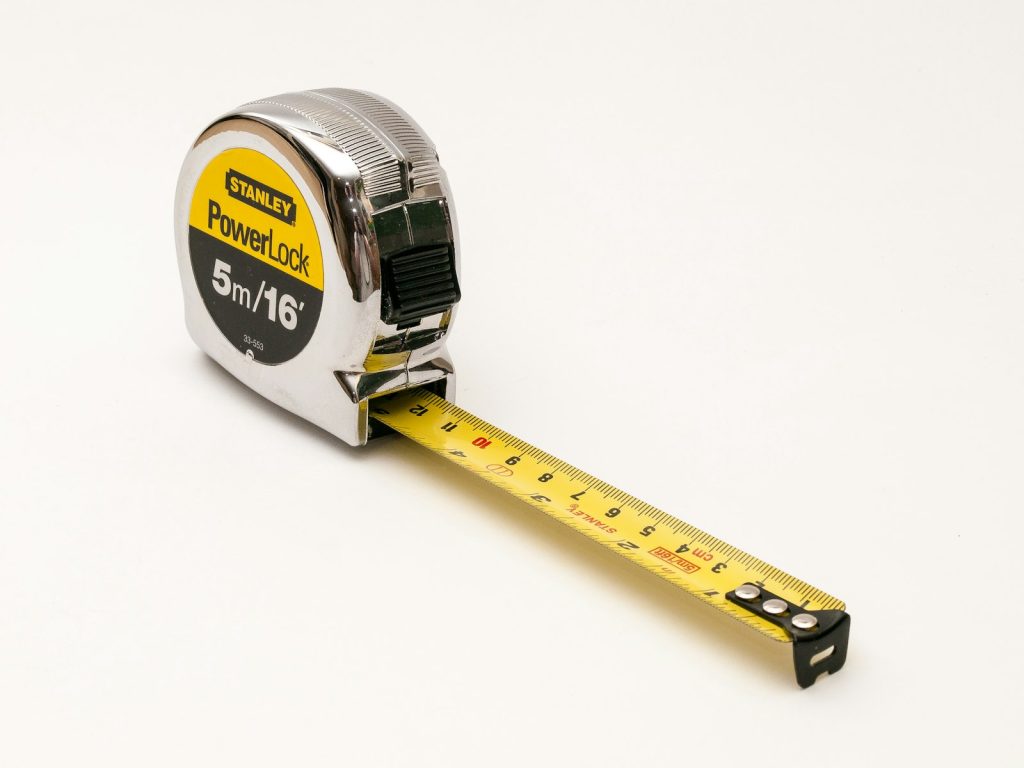
- Measure your waist, since you may be losing fat and gaining muscle without much change on the scale.
If the plateau lasts a long time, see your surgeon or dietitian to evaluate your diet and lab results.
Can Weight Come Back After a Gastric Sleeve?
Yes. Cleveland Clinic notes that some patients may begin to regain part of their weight after the first year, especially if they return to old habits. It recommends a balanced diet based on protein and vegetables, regular exercise, psychological support when needed, and contacting your medical team early if you notice your weight going up. Also read our article on life after surgery.
Is Weight the Only Measure of Success?
No. The success of surgery is also measured by improvements in your overall health. NIDDK notes that bariatric surgery can improve type 2 diabetes, high blood pressure, cholesterol, sleep apnea, and joint pain. Many patients reduce their medications and move more easily even before reaching their target weight.
How to Track Your Weight Loss the Right Way
The way you measure your progress affects your motivation and commitment. Here are some practical tips:
- Weigh yourself once a week: On the same day and at the same time, preferably in the morning before eating, rather than daily weigh-ins, which are affected by fluid shifts.
- Record your waist and hip measurements: Every two weeks or every month, since they reflect fat loss even when the scale stalls.
- Take regular photos: Photos show changes you might not notice in the mirror day to day.
- Track your health improvements: Such as lower blood sugar and blood pressure, better sleep, and climbing stairs more easily.
- Log your food and protein: This helps you and your team understand the reasons for a plateau if one happens.
Avoid comparing yourself with other patients. Every body has its own rhythm, and someone who started at a higher weight will naturally lose more kilograms at first. What matters most is that the overall trend is downward and that your health and fitness improve over time. Share your numbers with your medical team at every follow-up visit; they are best placed to judge whether your progress is on track.
The Bottom Line: How Much Weight Will You Lose After a Gastric Sleeve?
The short answer: on average, 25% to 30% of your total body weight within one to two years, with faster loss in the first few months. But the final result depends on you as much as on the surgery: protein, movement, and follow-up. See examples of results on our before and after page, and learn about the procedure on our gastric sleeve page.
Want to know what results to expect in your case? Book a consultation with Dr. Hasan Jalamneh at Istishari Hospital in Amman to evaluate your weight and goals. Reach us on WhatsApp, call 0796060064, or use our Contact Us page.
Frequently Asked Questions
How much weight do you lose in the first month after a gastric sleeve?
Weight loss in the first month is usually rapid because of the liquid diet and low calorie intake, but the amount varies a lot depending on your starting weight, so there is no single number that applies to everyone.
When does weight loss stop after a gastric sleeve?
Weight loss slows after the first six months, most of it happens within the first 12 months, and it then approaches stability during the second year.
Is a weight plateau after a gastric sleeve normal?
Yes. Short plateaus are normal because the body adapts, and you can usually get past them by increasing protein and activity and avoiding liquid calories.
Can I reach my ideal weight after a gastric sleeve?
Some patients do, but the realistic goal is to lose about a quarter to a third of your weight and improve related health conditions, while sticking to a healthy lifestyle to maintain the result.
Sources
- Mayo Clinic – Sleeve gastrectomy
- Cleveland Clinic – Gastric Sleeve Surgery
- Kaiser Permanente – Gastric Sleeve Surgery: What to Expect at Home
- Cleveland Clinic – How to keep the weight off after bariatric surgery
- University Hospitals Sussex NHS – Protein and bariatric surgery
This article is for educational purposes only and is not a substitute for medical advice.