Protein after gastric sleeve surgery is the single most important nutrient in your journey, and the usual target is 60 to 80 grams a day, according to guidance from University Hospitals Sussex, part of the UK’s National Health Service (NHS). Protein helps your wounds heal, preserves your muscles as you lose weight, helps you feel full on small portions, and lowers the chance of hair loss and fatigue.
But reaching that target isn’t easy in the first few weeks, because your stomach is small and your portions are limited. In this article, we explain why your body needs protein, the best sources in Jordanian and Arab cooking, and how to spread it across your day.
Why Is Protein After Gastric Sleeve Surgery So Important?
When the amount you eat drops dramatically after surgery, your body looks for sources of energy. If it doesn’t get enough protein, it starts breaking down muscle. NHS guidance explains that protein:
- Helps you feel full on small portions.
- Helps your wounds heal after surgery.
- Preserves muscle while you lose fat.
- Helps keep your blood sugar stable.
The same guidance notes that too little protein can lead to muscle breakdown, stalled weight loss, slow healing, repeated infections, weakness, brittle nails, and thinning hair.
How Many Grams of Protein Do You Need After a Sleeve?
The general target is 60 to 80 grams a day. In the first few weeks, it may be hard to reach—and that’s expected. Over time, between the third and sixth months, the NHS recommends dividing your target across 3 or 4 meals, with each meal containing 20 to 30 grams of protein. Your doctor or dietitian may set a different target based on your weight and condition.
What Are the Best Protein Sources After a Gastric Sleeve?
The table below shows the approximate protein content of common foods, based on figures from NHS guidance:
| Food | Amount | Approximate protein |
|---|---|---|
| Chicken, meat, or fish | 75 grams | 18–22 grams |
| Shrimp | 75 grams | 17 grams |
| Eggs | 2 large eggs | 16 grams |
| Low-fat Greek yogurt or skyr | 150 grams | 12 grams |
| Legumes (beans) | 200 grams | 12 grams |
| Low-fat cottage cheese | 75 grams | 10 grams |
| Cooked lentils | 100 grams | 8 grams |
| Milk | 200 ml | 7 grams |
Options From Local Cuisine
- Labneh and plain yogurt (laban): choose low-fat varieties; they’re well suited to the soft-food stage.
- Lentil soup: an easy plant-based protein source during the pureed-food stage.
- Hummus: in small amounts and without too much oil.
- Well-cooked chicken and fish: cut into very small pieces and chewed slowly.
- Boiled or scrambled eggs: one of the easiest and cheapest sources.
How to Get Protein at Each Stage After Surgery
| Stage | Examples of protein sources |
|---|---|
| Liquids (roughly the first 2 weeks) | Low-fat milk, strained soup, protein drinks recommended by your medical team |
| Thick liquids and pureed food | Plain yogurt, pureed lentil soup, soft scrambled eggs |
| Soft food | Cottage cheese, soft fish, finely minced chicken, labneh |
| Regular food | Meat, chicken, fish, and legumes in small amounts, chewed well |
How long each stage lasts depends on your medical team’s instructions. The NHS describes a rough sequence: liquids for the first 2 weeks, then pureed food in weeks 3 and 4, then soft food until week 8, followed by a gradual return to healthy, balanced eating.
Practical Tips to Reach Your Protein Target
- Start every meal with protein: eat your protein first, before vegetables or starches, so your stomach doesn’t fill up before you get what you need.
- Eat small, frequent meals: 3 to 4 small meals, plus a protein-rich snack if needed.
- Don’t drink with your food: separate drinking from eating so your stomach doesn’t fill up with liquid.
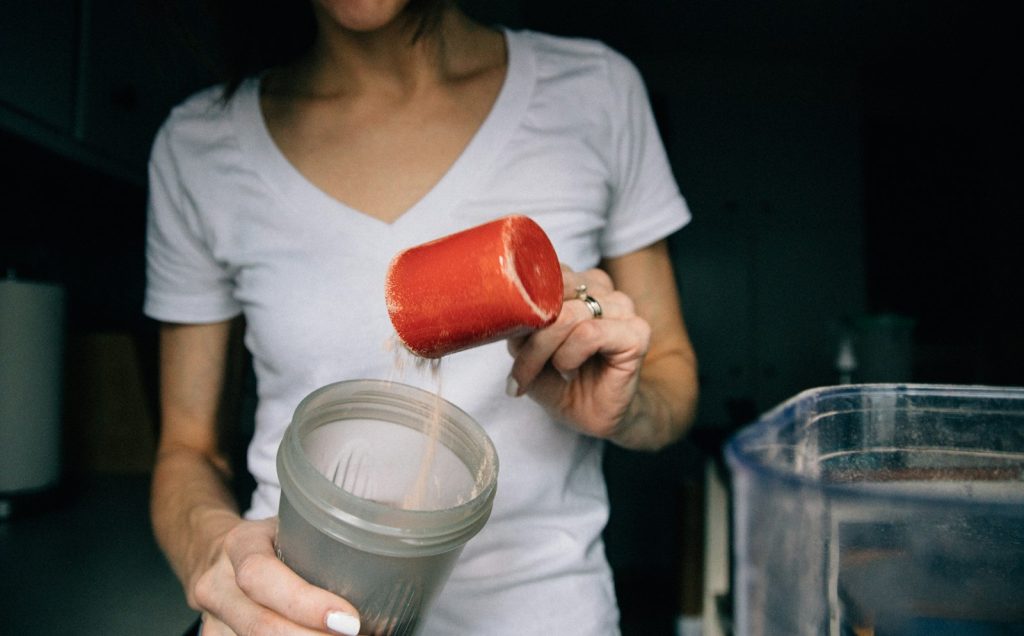
- Watch out for sugary protein supplements: the NHS notes that many protein powders and bars are high in fat or sugar, and that it’s better to get protein from food. Only use supplements if your team recommends them.
- High-protein milk: the NHS suggests skim milk with added skim milk powder as a temporary option when you’re not reaching your target.
- Track what you eat: a simple phone app can help you see how much protein you’re actually getting.
Can You Have Too Much Protein?
For most patients, the common problem is too little protein, not too much. However, people with kidney disease need to set their intake with their doctor. So if you have a chronic condition, discuss your daily target with your dietitian or doctor.
What About Plant-Based Protein After a Sleeve?
If you prefer plant-based food or eat less meat, you can still reach your protein target with good planning. The main plant sources are:
- Lentils, beans, and chickpeas: well cooked and pureed in the early stages. They also contain fiber, which helps prevent constipation.
- Ful medames (stewed fava beans): a protein-rich local dish, eaten in small amounts and without too much oil.
- Tofu and soy products: a complete, soft, easy-to-digest protein source.
- Milk, yogurt, and dairy products: for those who eat dairy.
- Eggs: for those who include them in their diet.
Plant protein often requires a larger amount of food to reach the same number of grams, which is a challenge with a small stomach. That’s why people following a plant-based diet need a tailored plan with a dietitian and closer monitoring of vitamin B12 and iron levels, since their main sources are animal-based. It’s fine to use a suitable protein supplement if your medical team recommends one.
And remember: your protein needs don’t end when the weight-loss phase does. Protein stays important for maintaining muscle mass and energy over the long term.
The Bottom Line
Protein after a gastric sleeve is the foundation of a good recovery and healthy weight loss. Aim for 60 to 80 grams a day, start every meal with protein, and rely on simple, natural sources such as eggs, yogurt, chicken, fish, and lentils. For more tips, read our life after surgery page and our gastric sleeve page.
Need a nutrition plan after your sleeve? Dr. Hasan Jalamneh’s clinic team at Istishari Hospital in Amman will support you at every stage. Reach us on WhatsApp, call +962 79 606 0064, or use our Contact Us page.
Frequently Asked Questions
How much protein do I need a day after a gastric sleeve?
The usual target is 60 to 80 grams a day, divided across 3 or 4 meals. Your medical team may set a different target based on your condition.
Are protein shakes necessary after surgery?
They aren’t always necessary, and it’s better to get your protein from food. Your medical team may recommend them during the liquid stage or if you’re having trouble reaching your target.
What are the signs of protein deficiency after a sleeve?
Signs include weakness and fatigue, slow wound healing, repeated infections, brittle nails, thinning hair, and stalled weight loss.
Why should I eat protein first at each meal?
Because your stomach is small and fills up quickly. Starting your meal with protein makes sure you get what you need before you feel full.
Can I rely on milk alone as my protein source?
Milk is a good source, especially during the liquid stage, but relying on it alone isn’t enough to reach your target easily. It’s best to vary your sources between eggs, yogurt, chicken, fish, and legumes, depending on the stage you’re in.
Sources
- University Hospitals Sussex NHS – Protein and bariatric surgery
- NHS – Recovering from weight loss surgery
- Mayo Clinic – Sleeve gastrectomy
This article is for educational purposes only and is not a substitute for medical advice.