What’s the right approach to eating before and after exercise? Before a workout, it’s best to have a balanced meal two to three hours ahead, or a light, easy-to-digest snack rich in carbohydrates 30 to 60 minutes before. After a workout, your body needs protein to repair muscle and carbohydrates to restore energy, along with water to replace what you lost through sweat. How much you eat depends on your goal and on the intensity and duration of your workout.
Exercise is a key part of any healthy lifestyle or weight-loss plan, but its results are strongly affected by what you eat around it. The wrong food can leave you nauseated or sluggish during your workout, or make up for all the calories you burned and more. In this article, we explain what to eat and when, in a practical way suited to people who want to lose weight.
Why Does Eating Before and After Exercise Matter?
During moderate and intense exercise, the body’s main energy source is carbohydrate stored in the muscles and liver as glycogen. After a workout these stores are lower, and the muscles need protein to repair the tiny fibers strained by the effort. So the right timing and food choices help you:
- Perform better and have more energy during your workout.
- Avoid the dizziness and weakness caused by extreme hunger.
- Avoid the nausea and cramps caused by a full stomach.
- Recover faster and feel less fatigued the next day.
- Preserve muscle mass while losing weight.
What Should I Eat Before a Workout to Lose Weight?
The general rule: the closer you are to your workout, the smaller and easier to digest your meal should be. The reason is that after you eat, your body directs a large share of blood flow to the digestive system, while your muscles need that blood during exercise. This competition causes nausea, sluggishness, or cramps.
On the other hand, starving yourself before exercise isn’t recommended, because working out on a completely empty stomach can cause weakness, dizziness, and an inability to finish the workout in many people, especially during long or intense sessions.
| Time before workout | Type of meal | Examples |
|---|---|---|
| 3 – 4 hours | A full, balanced meal | Rice or bulgur with chicken and vegetables, or a brown-bread tuna sandwich with salad |
| About 2 hours | A medium-sized meal | Oatmeal with milk and fruit, or brown bread with labneh or an egg |
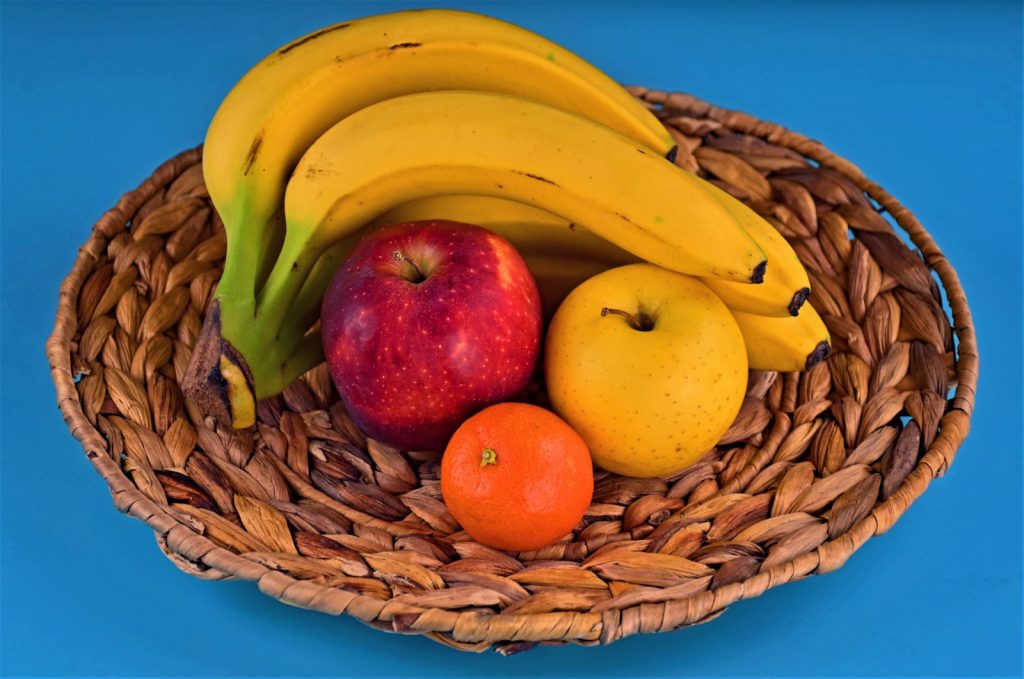
| 30 – 60 minutes | A light, easy-to-digest snack | Half a banana or a small piece of fruit, a cup of yogurt, or a few dates |
Which Foods Are Best Avoided Right Before a Workout?
- High-fat foods: Such as fried foods, because they slow digestion.
- Very large protein meals: Such as a big piece of meat, because they take longer to digest.
- Spicy foods: They can cause heartburn while you move.
- High-fiber or gas-producing foods: Such as broccoli, cabbage, and large amounts of legumes, because they can cause bloating.
- Carbonated drinks: They can cause bloating and discomfort.
As for sports drinks and juices, they may help during very long or strenuous workouts, but they are high in sugar and calories, and people doing moderate exercise for less than an hour to lose weight usually don’t need them; water is generally enough.
What Should I Eat After a Workout?
After exercise, your body needs three things: protein to repair and build muscle, carbohydrates to rebuild glycogen stores, and fluids and electrolytes such as sodium and potassium to replace what you lost in sweat. Combining protein and carbohydrates helps reduce muscle protein breakdown, increase muscle building, and restore energy stores faster.
It’s best to have a meal or snack within about one to two hours after your workout, and if your main meal is coming up soon, it can serve as your post-workout meal. Good examples include:
- Oatmeal with a glass of milk and a small handful of nuts.
- Whole-grain bread with one or two eggs.
- Greek yogurt with fruit.
- Chicken breast or fish with rice or potatoes and vegetables.
- A tuna or low-fat cheese sandwich on brown bread.
- A milkshake with banana, or a protein drink when needed.
The size of the meal depends on your weight, the intensity and duration of your workout, and your goal. If your goal is weight loss, don’t turn your post-workout meal into a big reward that cancels out everything you burned; make it part of your total daily calories.
Does Exercising on an Empty Stomach Burn More Fat?
Some people work out in the morning before breakfast, believing it burns more fat. In reality, scientific evidence doesn’t show a clear difference in long-term weight loss between exercising fasted or after eating; the most important factors are your total calories over the day and consistency. If you feel comfortable doing light exercise before breakfast, that’s fine, but if you feel dizzy or weak, have something light beforehand. People with diabetes, especially those taking insulin or certain blood sugar-lowering medications, should consult their doctor, because exercising fasted can cause low blood sugar.
When Should I Drink Water During Exercise?
Hydration is very important, because sweating causes the body to lose water and electrolytes, and even mild dehydration weakens performance and causes fatigue and headaches. Practical tips include:
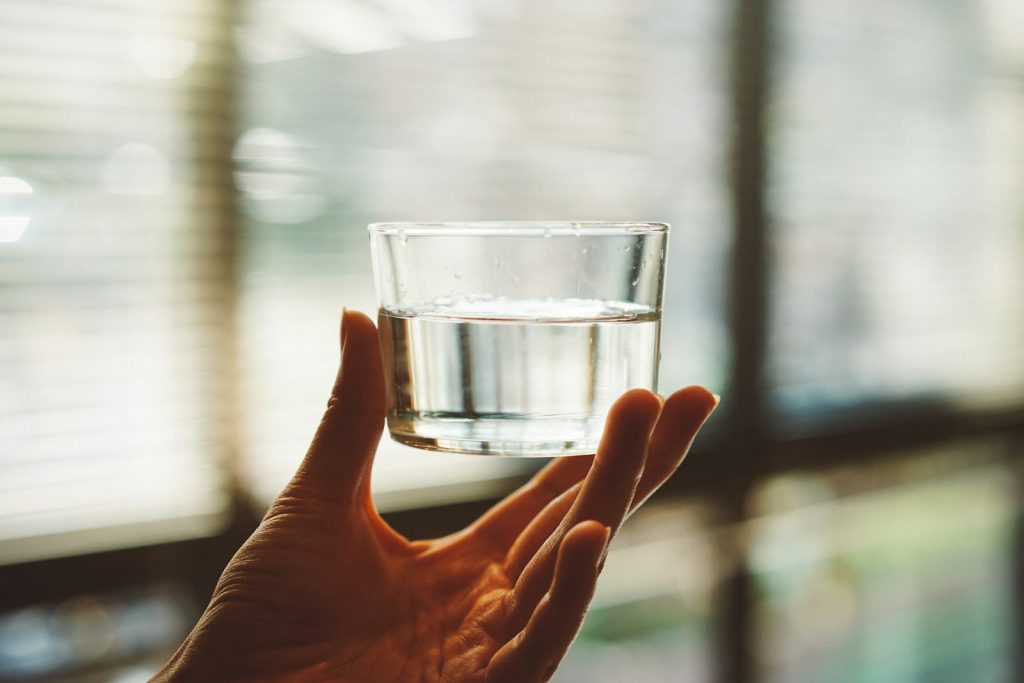
- Drink one or two glasses of water in the hour or two before your workout.
- Take sips of water during exercise, especially in hot weather.
- Replace fluids after your workout; pale urine is a good sign that you’re well hydrated.
- During very long workouts or with heavy sweating, you may need to replace electrolytes as well.
What Are Common Mistakes in Eating Around Exercise?
- Overestimating calories burned: Many people think half an hour of walking allows for a big meal or dessert, when moderate exercise usually burns less than we expect.
- Relying on energy bars and ready-made drinks: Some are as high in sugar and calories as candy, so read the label before buying.
- Neglecting protein: Especially on a low-calorie diet, which can lead to losing muscle along with fat.
- Forgetting water: Thirst is sometimes mistaken for hunger, leading people to eat more than they need.
- Skipping meals after exercise: This increases intense hunger later and leads to overeating.
Tips for People Who Have Had Bariatric Surgery
If you’ve had an operation such as a gastric sleeve, there are some important differences:
- Don’t drink with meals: Separate meals and water by about 30 minutes, so plan to drink water before your workout away from your meal.
- Protein first: Your daily protein needs are the priority, and your post-workout meal is a good opportunity to meet them.
- Small portions: Your pre-workout snack should be very small, such as a few spoonfuls of yogurt.
- Watch for low blood sugar: Especially after gastric bypass, and stop if you feel dizzy or shaky.
For more guidance, read our life after surgery page.
Frequently Asked Questions
How long should I wait after eating before I exercise?
After a large meal, it’s best to wait three to four hours; after a medium meal, about two hours; and a light snack can be eaten 30 to 60 minutes before.
Do I need to eat protein immediately after a workout?
Not necessarily in the first few minutes. What matters most is getting enough protein throughout the day, with a meal containing protein within one to two hours after your workout.
Do I need a sports drink?
For moderate workouts under an hour, water is usually enough; sports drinks may help during long or strenuous workouts or in extreme heat.
Does eating after a workout cancel out its weight-loss benefit?
No. Eating a moderate amount after exercise helps with recovery, but large or sugary meals can make up for the calories you burned.
What’s the best snack before a morning workout?
Half a banana, a date, or a small cup of yogurt are easy-to-digest options that give you energy without weighing down your stomach.
If you exercise and follow a diet without clear results because of obesity, you may need a comprehensive medical evaluation. Learn about severe obesity and its treatment, and you can book a consultation with Dr. Hasan Jalamneh through our Contact Us page.
This article is for general educational purposes only and is not a substitute for consulting a qualified physician.