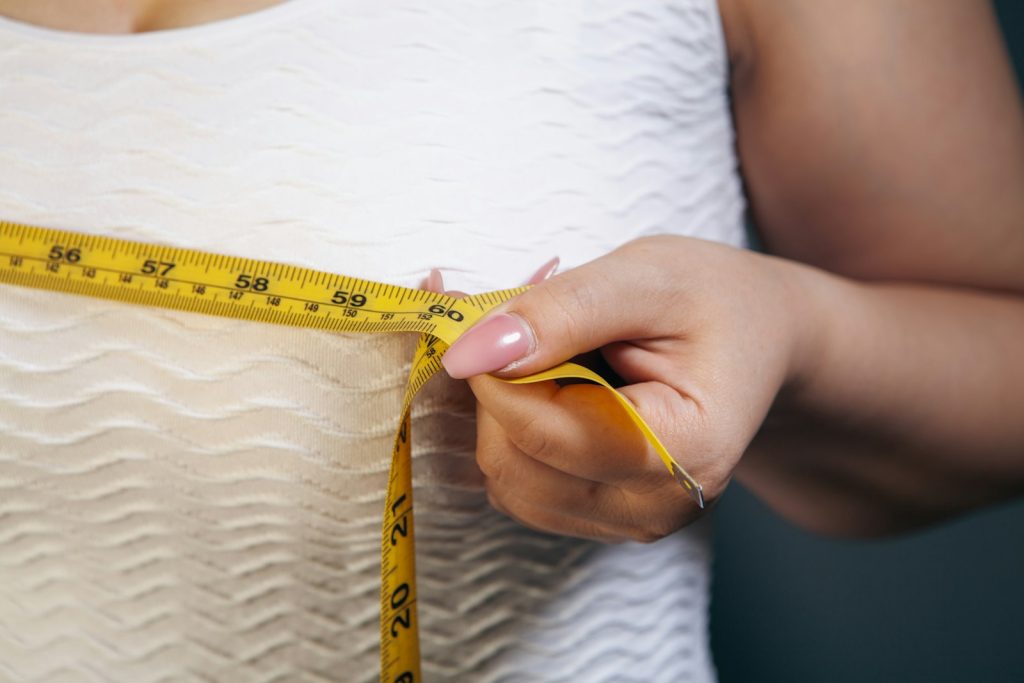
Weight gain after cosmetic surgery can undo some of its results, especially after liposuction, tummy tucks and body contouring, because the remaining fat cells grow larger and new fat may settle in unexpected areas. Significant weight gain can also stretch tightened skin again and bring back the very problem the surgery was meant to fix. The good news is that keeping a stable weight after surgery is achievable with clear habits and regular follow-up.
In this article we explain the difference between normal swelling after surgery and real weight gain, the reasons people gain weight after cosmetic surgery, its physical and psychological consequences, and practical steps to avoid it.
Is a higher number on the scale after surgery always weight gain?
Not necessarily. Many patients notice the scale going up in the first days and weeks, and the cause is often fluid retention and swelling, not fat. The body responds to surgery with normal inflammation, which is accompanied by fluid collecting in the tissues, and the intravenous fluids given during the operation may also contribute.
Most swelling goes down gradually over the first few weeks, but some can linger for several months after certain procedures such as liposuction and tummy tucks, according to sources such as Cleveland Clinic and the American Society of Plastic Surgeons. So it’s best not to judge the result or your true weight during the first weeks, and to rely on measurements and your doctor’s assessment instead.
What causes weight gain after cosmetic surgery?
Less movement during recovery
Patients are usually asked to avoid strenuous exercise for several weeks while their wounds heal, often about 4 to 6 weeks depending on the procedure and the surgeon’s instructions. Moving less means burning fewer calories, so if you keep eating the same amount, your weight may go up. However, light walking is usually encouraged from the first few days, because it lowers the risk of blood clots and improves circulation.
Unhealthy eating during recovery
Difficulty moving around and preparing food pushes some patients toward fast food, sweets and ready-made meals high in salt and sugar, which increases both weight and swelling. At this stage, though, your body needs enough protein to support wound healing, along with vegetables, fruit and water.
Believing surgery replaces dieting
Liposuction and body contouring are not treatments for obesity; they improve the shape of specific areas in people whose weight is already close to stable. Some patients think fat won’t come back once it’s been removed, so they relax their eating habits, but that belief isn’t accurate.
Other long-term factors
- Hormonal changes: such as pregnancy, menopause or thyroid disorders.
- Stress and emotional pressure: these can increase emotional eating.
- Lack of sleep: affects hunger and fullness hormones and increases cravings for high-calorie foods.
- Certain medications: such as cortisone and some psychiatric medications; these should never be stopped without consulting your doctor.
What are the consequences of weight gain after cosmetic surgery?
A less impressive result
After liposuction, a portion of the fat cells is removed from the treated area, but the remaining fat cells in the body can still expand. When you gain weight, fat may build up in other untreated areas, such as the arms, back or around the internal organs, making the body look out of proportion.
Visceral fat and its effect on a tummy tuck
Fat builds up either under the skin or around the organs inside the abdomen, which is called visceral fat. Visceral fat pushes the abdominal wall forward, which can weaken the result of a tummy tuck even if the skin is tight, and it is also linked to greater health risks.
Skin stretching again
Significant weight gain can stretch skin that was surgically tightened, and it may be difficult or impossible to repair it again with a satisfying result.
General health effects
Weight gain raises the risk of chronic diseases such as type 2 diabetes, high blood pressure and abnormal blood lipids, according to the World Health Organization.
Psychological and financial effects
Losing the result of an operation you waited a long time for can cause frustration and a loss of self-confidence, and it may lead you to consider additional, costly procedures.
| Type of procedure | How might weight gain affect it? |
|---|---|
| Liposuction | Fat building up in untreated areas and a loss of proportion |
| Tummy tuck | A protruding belly due to visceral fat, and skin stretching again |
| Arm or thigh lift | New sagging and a change in the shape of the area |
| Body contouring after bariatric surgery | Losing part of the results of both the weight-loss journey and the surgery |
How to avoid weight gain after cosmetic surgery
- Start at a stable weight: surgeons usually advise reaching a steady weight before body contouring procedures, because surgery improves shape rather than significantly reducing weight.
- Plan your meals before surgery: prepare simple, healthy meals or ask family for help so you don’t fall back on fast food.
- Make protein the foundation of your meals: such as chicken, fish, eggs, legumes and low-fat dairy, because it supports healing and keeps you feeling full.
- Cut back on sugar, pastries and sweetened drinks: they’re among the easiest sources of extra calories.
- Drink water regularly: in an amount suited to your condition, and avoid too much salt, which increases fluid retention.
- Return to activity gradually: walking first, then more intense exercise once your surgeon approves.
- Sleep well: adults usually need 7 to 9 hours of sleep.
- Quit smoking: it delays wound healing and increases complications, on top of its general harms.
- Manage stress: in healthy ways, such as walking or talking to someone you trust, not by eating.
- Track your weight and measurements: once a week, and act early if you notice steady gain.
When should you see a doctor?
See your surgeon or doctor if you notice any of the following, as the cause may not simply be extra fat:
- Swelling that gets worse instead of better, or that affects only one side of the body.
- Leg swelling with pain or redness, or sudden shortness of breath; these are emergencies.
- Rapid weight gain with severe fatigue, changes in your menstrual cycle or feeling cold, which may call for a thyroid check.
- Ongoing difficulty controlling your eating despite trying; nutritional and psychological support can help a lot.
What if the excess weight is significant to begin with?
If the main problem is obesity rather than localized fat deposits, cosmetic surgery isn’t the right starting point. In that case it’s best to evaluate the causes of severe obesity and its treatment options; bariatric (weight-loss) surgery such as the gastric sleeve may be an option for those who meet the medical criteria, with skin-tightening and body contouring procedures coming after the weight has stabilized. To maintain your results in the long term, read about life after surgery.
Frequently asked questions
Is it normal to gain weight right after cosmetic surgery?
Yes. Gain in the first days and weeks is usually due to swelling and fluid retention, and it goes down gradually as you recover. Continued gain after that, however, is a sign to review your eating habits.
Does fat come back after liposuction?
The fat cells that were removed usually don’t come back, but the remaining cells can grow larger when you gain weight, and fat may build up in other areas of the body.
When can I return to exercise after cosmetic surgery?
Light walking is usually allowed early on, while strenuous exercise and weightlifting typically come after several weeks. Your surgeon will set the timing based on the type of procedure and how quickly your wounds heal.
How much weight can I gain without affecting the result?
There’s no fixed number. Small weight fluctuations are normal and usually have no effect, but large, sustained gain is what weakens the result. It’s best to keep your weight as stable as possible.
Can someone with obesity have cosmetic surgery?
Surgeons usually prefer patients to reach a stable, healthy weight before body contouring, because results are better and risks are lower. The doctor decides after evaluating each case.
If you’re thinking about losing weight before cosmetic surgery, or want to maintain the results of a previous procedure, you can book a consultation with Dr. Hasan Jalamneh to evaluate your situation and discuss the right options for you through our Contact Us page.
This article is for educational purposes only and is not a substitute for medical advice.