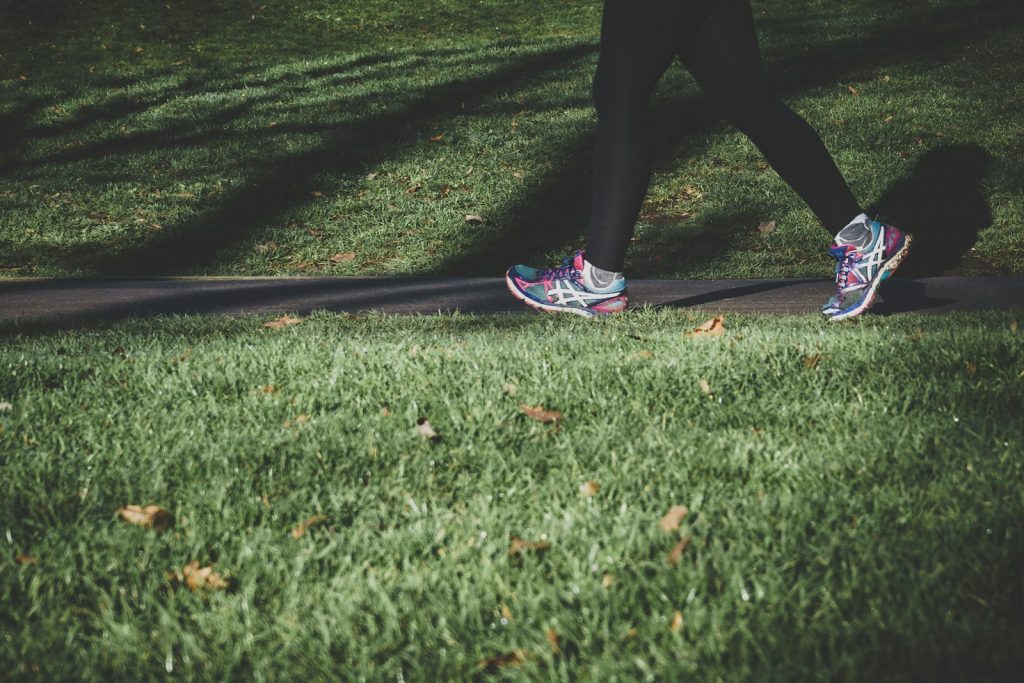
Yes, walking for weight loss can work, especially regular brisk walking, but it gives the best results when combined with a diet that cuts calories. The World Health Organization recommends that adults get 150 to 300 minutes a week of moderate activity, such as brisk walking, to improve their health, and larger amounts may help with losing weight and keeping it off.
Walking is one of the easiest ways to start a more active life: it requires no equipment or membership, can be done anytime and anywhere, and suits most ages and body weights. In this article, we explain how walking helps with weight loss, the right speed and duration, its main health benefits, and a simple plan to get started.
Is Walking for Weight Loss Enough on Its Own?
Weight loss happens when the body burns more calories than it takes in. Walking increases the calories you burn, but the calories burned in half an hour of walking can easily be canceled out by a snack or a sweetened drink. That’s why sources such as Mayo Clinic and the Centers for Disease Control and Prevention (CDC) point out that:
- Combining diet and physical activity is the most effective way to lose weight.
- Regular physical activity is very important for maintaining weight after losing it and preventing regain.
- Walking alone without changing your eating may give slow, limited results, but it remains very beneficial for your health.
How Many Calories Does Walking Burn?
There is no fixed number that applies to everyone; the calories burned depend on:
- Body weight: A heavier person burns more calories over the same distance.
- Distance and duration: The more you walk, the more you burn.
- Speed: Brisk walking burns more than slow walking in the same amount of time.
- Terrain: Walking uphill or climbing stairs noticeably increases calorie burn.
In general, the distance you cover is the most important factor, so it’s useful to track your steps or the kilometers you walk rather than focusing on the approximate calorie figures shown by devices, which are often inaccurate estimates.
What Walking Speed Is Best for Weight Loss?
The goal is brisk walking at moderate intensity, and the easiest way to gauge it is the “talk test” described by the CDC:
| Intensity | How can you tell? |
|---|---|
| Light | You can talk and sing easily |
| Moderate (the target for most people) | You can talk but can’t sing, and you’re breathing faster |
| Vigorous | You can’t say more than a few words without pausing for breath |
Start at a comfortable pace, then increase it gradually. Once you’re used to walking, you can add short bursts of faster walking between periods of normal walking, or walk routes with hills, to increase the intensity and calorie burn. You don’t need to reach an intensity that stops you from talking; consistency matters more than intensity.
How Much Should I Walk Each Day to Lose Weight?
The World Health Organization recommends at least 150 minutes a week of moderate activity, which is about 30 minutes on five days of the week. To lose weight or prevent regain, many people may need more, up to 300 minutes a week or more, along with managing what they eat.
You don’t have to walk the full amount in one go; three 10-minute walks a day are also beneficial. Increasing your general daily movement, such as taking the stairs, parking farther away, and walking during phone calls, also makes a difference over time.
Should I Rely on Step Counts?
The goal of 10,000 steps a day is popular, but it isn’t a fixed medical rule. Recent research suggests that health benefits start at lower step counts and increase gradually as steps go up. So first find out your current average number of steps, then add about a thousand steps every week or two until you reach a level that suits you. A step counter is an excellent motivational tool, but what matters most is consistency and gradually moving more.
A Simple Plan to Start Walking
| Week | Daily duration | Number of days | Intensity |
|---|---|---|---|
| 1 – 2 | 10 – 15 minutes | 5 days | Comfortable |
| 3 – 4 | 20 minutes | 5 days | Comfortable to moderate |
| 5 – 6 | 30 minutes | 5 days | Moderate |
| 7 and beyond | 40 – 60 minutes | 5 – 6 days | Moderate with faster intervals |
This is a general plan for illustration, and you can progress more slowly or quickly depending on your fitness. If you have heart or joint problems or severe obesity, consult your doctor before starting.
What Are the Health Benefits of Walking?
The benefits of walking aren’t limited to weight; they extend to your whole body:
- Heart and blood vessel health: Regular walking helps lower blood pressure and improve cholesterol, and it reduces the risk of heart disease and stroke, according to the American Heart Association.
- Blood sugar control: It improves insulin sensitivity and helps prevent and control type 2 diabetes; short walks after meals are especially helpful.
- Bones and joints: Walking is a weight-bearing exercise that helps maintain bone density, and it moves the joints and strengthens the surrounding muscles. It is usually suitable for people with knee osteoarthritis at an appropriate intensity.
- Back pain: It strengthens the core and back muscles, and staying active is recommended for many common cases of lower back pain.
- Digestion: It helps keep bowel movements regular and relieves constipation and bloating, and regular physical activity is linked to a lower risk of colon cancer.
- Mood and energy: It eases stress and symptoms of anxiety and depression, and improves sleep and energy levels throughout the day.
- Cardiorespiratory fitness: As an aerobic exercise, it improves the ability of your heart and lungs to deliver oxygen to your muscles, so you feel less tired during daily activities.
Walking After Bariatric Surgery
Walking is usually the first activity recommended after operations such as a gastric sleeve. Patients are encouraged to walk lightly from about the first day to reduce the risk of blood clots and improve recovery, and the duration then increases gradually over the following weeks according to the surgeon’s instructions. In the long term, regular physical activity is one of the most important factors in maintaining weight after surgery and preventing regain. Read more in our article on life after surgery.
Tips for Safe and Effective Walking
- Wear comfortable athletic shoes that support your feet.
- Drink water before and after walking, especially in hot weather.
- Avoid the hottest times of day; walk in the morning or evening.
- Start and finish with a few minutes of slow walking to warm up and cool down.
- Keep an upright posture and swing your arms naturally.
- Use a step counter or an app to track your progress.
- Walk with a friend or family member to stay committed.
- Stop and see a doctor if you feel chest pain, dizziness, or unusual shortness of breath.
Frequently Asked Questions
Is walking 30 minutes a day enough to lose weight?
Thirty minutes a day is excellent for overall health and may help you lose weight if combined with managing what you eat. For better results, you can gradually increase the duration or intensity.
Is walking better than running for weight loss?
Running burns more calories in the same amount of time, but walking is easier on the joints and easier to stick with, especially for people with a lot of excess weight. The best activity is the one you can keep doing.
Does walking burn belly fat?
You can’t burn fat from one specific area, but regular walking combined with a healthy diet helps reduce fat throughout the body, including belly fat.
When is the best time to walk?
The best time is whatever fits your schedule and lets you stay consistent. Short walks after meals may help control blood sugar.
Can people with severe obesity walk for exercise?
Yes, in most cases, starting with short sessions and increasing them gradually, and consulting a doctor if there are heart or joint problems.
If you walk regularly and follow a diet without seeing enough results, it may help to have a medical evaluation and learn about treatment options for severe obesity. You can book a consultation with Dr. Hasan Jalamneh through our Contact Us page.
This article is for educational purposes only and is not a substitute for medical advice.