Why is obesity in men such a struggle? Men tend to store fat around the belly and between the internal organs, which is the type of fat most closely linked to diabetes, heart disease and fatty liver. They also often notice the problem late and are slow to seek help. As a result, obesity in a man can progress silently for years before its complications appear.
Health data from many countries, including German studies, indicate that a large proportion of adult men are overweight or obese, and many don’t realize it until late, despite their clothes getting noticeably tighter. In this article we explain why obesity is different in men, its specific risks, and how to start treating it.
Why Are Men Slow to Notice Weight Gain?
This is usually due to several factors:
- Being busy with work: long working hours, constant sitting and little time to focus on health.
- Gradual gain: a few hundred grams every weekend or special occasion add up over the years into a large gain without the person noticing.
- Fewer doctor visits: men are less likely to have regular checkups, so problems such as high blood pressure or high blood sugar are discovered late.
- Downplaying the problem: many people see a “beer belly” as normal with age.
- Social habits: big feasts, late-night meals, sweetened drinks and smoking.
Why Does Obesity in Men Differ From Obesity in Women?
Men tend toward what is known as central obesity, or “belly obesity,” in which fat collects in the abdomen and around internal organs such as the liver and intestines. This is called visceral fat. What makes this fat dangerous is that it is hormonally active and increases insulin resistance and inflammation in the body, raising the risk of metabolic diseases and heart disease.
That’s why BMI alone isn’t enough to assess risk, and it’s recommended to measure waist circumference as well. According to NHS and World Health Organization guidelines:
| Waist circumference in men | Health risk level |
|---|---|
| Less than 94 cm (about 37 in) | Relatively low |
| 94 to 102 cm (about 37 to 40 in) | High |
| More than 102 cm (about 40 in) | Very high |
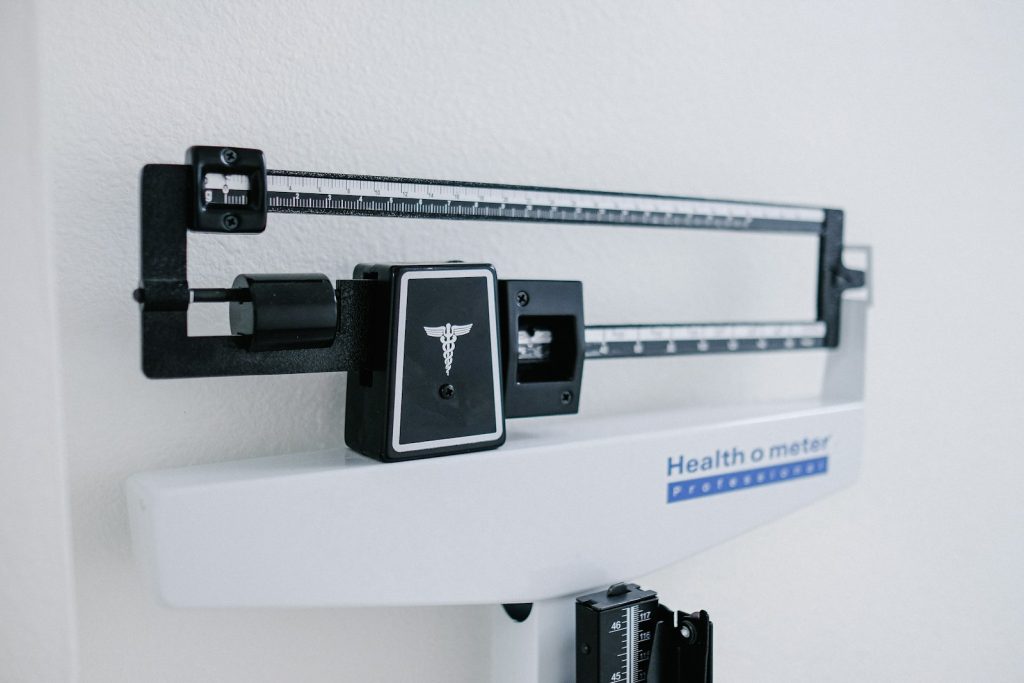
Waist circumference is measured midway between the bottom of the ribs and the top of the hip bone, after breathing out normally. This simple measurement can be done at home with an ordinary tape measure, and tracking it every month gives you a clearer picture of your progress than the scale alone, because you may lose belly fat and gain muscle without much change in weight.
What Are the Health Risks of Obesity for Men?
Obesity is a chronic disease in itself, and it often leads to other, more serious diseases, including:
- Fatty liver: which can progress to inflammation and scarring (fibrosis) of the liver.
- Type 2 diabetes and insulin resistance.
- High blood pressure and high cholesterol.
- Heart attacks and strokes.
- Obstructive sleep apnea: which is more common in men and causes snoring, daytime sleepiness and fatigue.
- Low testosterone: which may cause low libido, fatigue and loss of muscle mass.
- Erectile dysfunction: linked to blood vessel disease and diabetes.
- Reduced fertility: due to effects on sperm quality and hormones.
- Joint and back pain and knee osteoarthritis.
- Acid reflux and certain types of cancer, such as colon cancer.
How Does Obesity Affect Men’s Daily Lives?
The effects of obesity on men aren’t limited to lab results and numbers; they extend into the details of daily life, and men often bear them silently without talking about them:
- Energy and work: snoring and sleep apnea cause broken sleep, so a man wakes up tired and finds it hard to concentrate during working hours. He may even feel drowsy while driving, which is dangerous.
- Mobility and fitness: climbing stairs, playing with the kids, or playing the sports he loved in his youth becomes harder.
- Married life: low testosterone and erectile dysfunction can affect the marital relationship and self-confidence. Many men hesitate to discuss these issues with their doctor, even though they can improve.
- Mental health: some men may feel frustrated, irritable or low, but they are less likely than women to express this or seek support.
- How others see them: mocking comments about a “belly” may seem like jokes, but they affect some men more than they let on.
Recognizing these effects is an important step, because they are often the real motivation for change, more than the number on the scale. Talking openly with your doctor about them is part of the treatment, not something to be embarrassed about.
How Can a Man Start Treating Obesity?
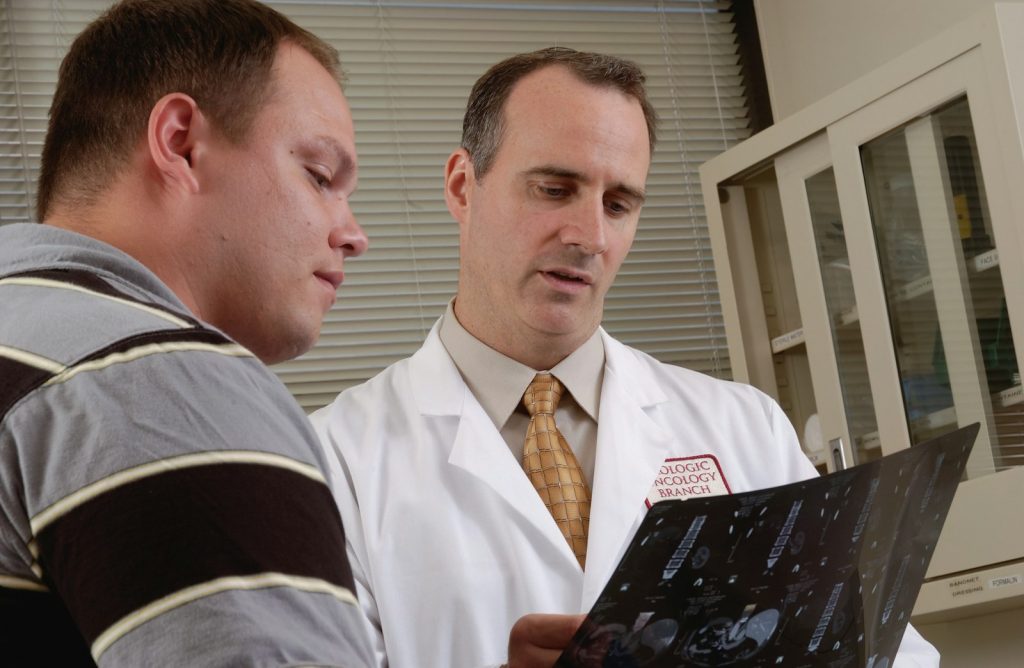
The first step is to acknowledge the problem, without exaggerating or dismissing it, and then have a medical checkup that includes blood pressure, blood sugar, lipids and liver function, and sometimes testosterone levels and an assessment for sleep apnea.
1. Improve Your Diet
- Cut back on sweetened drinks, juices and energy drinks.
- Cut back on fast food, fried food and late-night meals.
- Fill half your plate with vegetables, a quarter with protein, and a quarter with whole-grain starches.
- Pay attention to portion sizes, especially at feasts and dinner invitations.
2. Increase Physical Activity
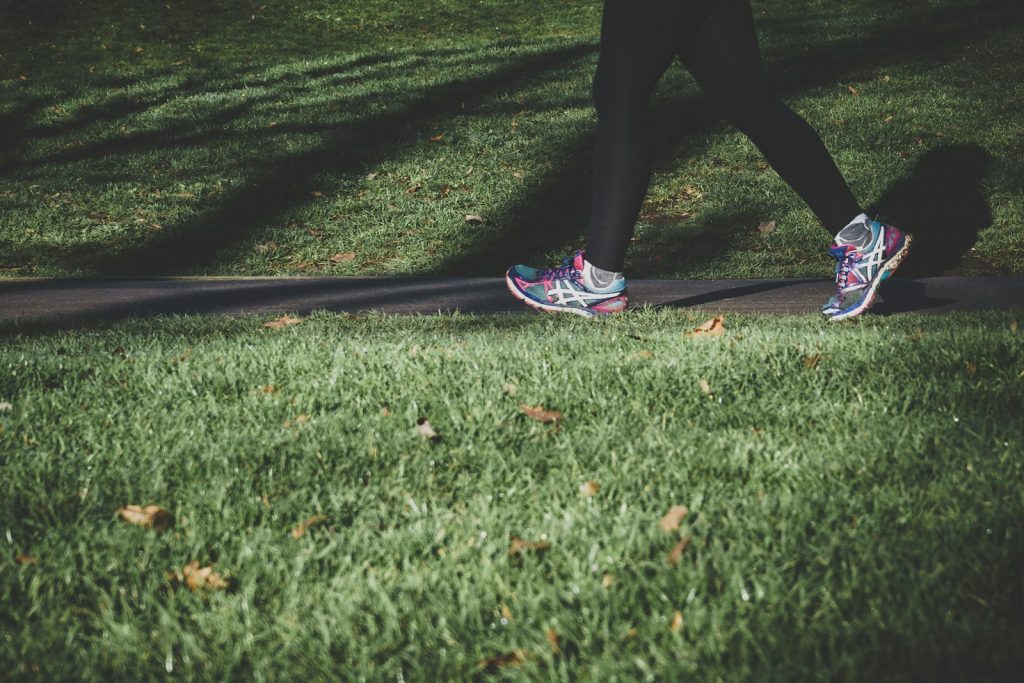
The World Health Organization recommends 150 to 300 minutes a week of moderate activity, plus muscle-strengthening exercises at least two days a week. Helpful activities include:
- Brisk walking and light jogging.
- Swimming, which is gentle on the joints.
- Cycling.
- Resistance training to preserve muscle and naturally boost testosterone levels.
Ordinary daily activity also helps a lot, such as gardening, household chores, taking the stairs instead of the elevator, and parking a little farther from work.
3. Take It Easy and Avoid Overexertion
Activities should be moderate, without overdoing it or straining yourself, especially at the beginning. A medical checkup is recommended before starting any strenuous exercise, particularly for those over forty, those with heart disease, diabetes or high blood pressure, or smokers.
4. Sleep and Stress Management
Lack of sleep and constant stress increase appetite and belly fat storage. Sleeping seven to eight hours, and treating sleep apnea if present, helps improve energy and weight control.
5. Quit Smoking
Smoking multiplies the cardiovascular risks associated with obesity, and quitting is one of the most important steps for a man’s health, while being careful not to replace it with eating.
When Does a Man Need Medical or Surgical Treatment for Obesity?
If diet and exercise changes alone haven’t worked, or obesity is severe and accompanied by other diseases, your doctor may discuss other options:
- Approved weight-loss medications under medical supervision.
- A gastric balloon for some cases.
- Bariatric (weight-loss) surgery such as gastric sleeve and gastric bypass, which are usually an option when BMI is 35 or higher, or between 30 and 34.9 with metabolic diseases such as diabetes, according to the 2022 ASMBS and IFSO recommendations.
Significant weight loss can improve testosterone levels, erections, sleep apnea and blood sugar in many men. You can read more on our Severe Obesity and Its Treatment page.
Frequently Asked Questions
Is a big belly dangerous for a man’s health?
Yes. Belly fat is linked to visceral fat around the organs, which increases the risk of diabetes, heart disease and fatty liver more than fat in other areas.
What is a normal waist circumference for a man?
According to NHS and World Health Organization guidelines, health risk rises when waist circumference exceeds 94 cm (about 37 in) and becomes very high above 102 cm (about 40 in).
Does obesity affect the male hormone?
Yes. Obesity is linked to low testosterone, and levels may improve with weight loss, exercise and better sleep.
Do men lose weight faster than women?
Some men may lose weight faster at first because of their greater muscle mass, but long-term results depend on sticking with healthy habits.
When should I see a doctor about my weight?
When your waist circumference is above the normal limits, when you develop snoring and daytime fatigue, high blood pressure or high blood sugar, or when you find it hard to lose weight despite trying.
If you’re overweight and want a clear assessment of your condition and options, you can book a consultation with Dr. Hasan Jalamneh through our Contact Us page.
This article is for educational purposes only and does not replace a consultation with a specialist.