Does exercise without dieting help you lose weight? Exercise alone helps you lose a limited amount of weight, because the calories you burn working out can easily be replaced by eating. Still, it is extremely beneficial for your overall health and plays an important role in keeping weight off once you have lost it. The best results come from combining physical activity with healthy eating.
In this article, we explain why exercise alone is often not enough to lose weight, the many benefits it offers even without a diet, and how many minutes of activity you need each week according to World Health Organization recommendations.
Does exercise without dieting help you lose weight?
Relying on exercise as a substitute for a healthy diet to lose weight is not recommended. The reason is simple: to lose weight, you need to take in fewer calories than your body burns. If you eat more than you need, you won’t lose weight no matter how much you exercise.
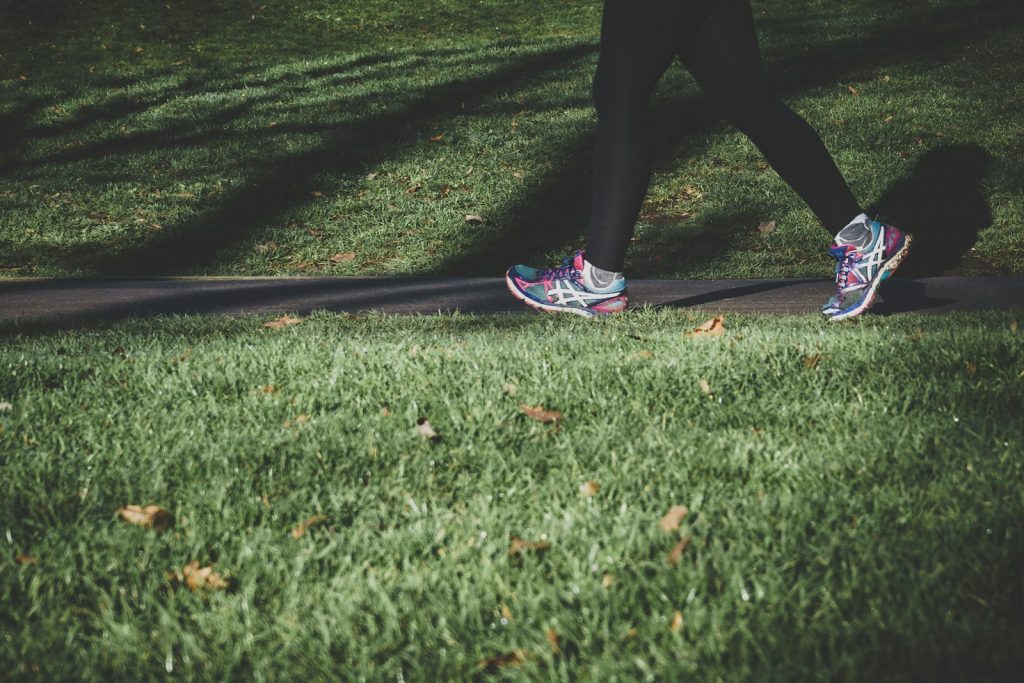
Here is a practical example: walking briskly for half an hour may burn roughly the equivalent of a small piece of dessert or a glass of sweetened juice. That makes it very easy to eat back what you burned in a workout within minutes, especially since exercise can increase appetite in some people.
That said, cardio and resistance training help build and maintain muscle mass, and muscle uses more energy than fat, even at rest. But this effect is modest compared with the impact of changing what you eat. Mayo Clinic notes that exercise alone usually produces limited weight loss, while it is more effective when combined with cutting calories, and it is one of the most important factors in preventing weight regain after weight loss.
Why doesn’t exercise alone work for many people?
- Eating it back: feeling that you “deserve a reward” after a workout leads many people to eat more.
- Overestimating calories burned: gym machines and apps may give higher numbers than reality.
- Being inactive the rest of the day: some people exercise for an hour and then sit for most of the day, so their total calorie burn drops.
- Gaining muscle: at first you may build muscle and lose fat without much change on the scale. This is real progress, but it doesn’t show up in your weight.
What are the benefits of exercise, even without a diet?
Exercise alone may not be the best solution for weight loss, but it is one of the best things you can do for your health overall. Here are its main proven benefits:
1. Stronger bones
Regular exercise, especially resistance training and weight-bearing activities such as walking, helps maintain bone density and reduces the risk of osteoporosis as you age.
2. Stronger muscles and fewer injuries
Strengthening your muscles improves balance and your ability to carry out daily tasks, and it reduces the risk of falls and injuries, especially in older adults.
3. Heart health and prevention of chronic disease
According to the World Health Organization, regular physical activity reduces the risk of heart disease and stroke, type 2 diabetes, high blood pressure and some types of cancer. It also improves the body’s insulin sensitivity and cholesterol levels.
4. Better mood and less stress
Exercise helps release brain chemicals such as endorphins and has a positive effect on neurotransmitters like serotonin and dopamine, improving mood and easing symptoms of anxiety and depression.
5. Better sleep
Regular physical activity helps you fall asleep faster and sleep more deeply, though some people should avoid intense exercise right before bed.
6. More energy and less fatigue
Exercise improves heart and lung fitness and blood flow, so nutrients and oxygen reach your cells more efficiently and you feel less sluggish.
7. Better memory and concentration
Research suggests that physical activity supports cognitive abilities and memory and may reduce the risk of mental decline with age.
8. Higher productivity at work
Feeling energetic and less stressed is reflected in your focus and productivity at work and in daily life.
9. Immune system support
Moderate, regular physical activity is linked to better overall health and a more efficient immune system.
10. A longer, healthier life
Researchers have found that people who get the recommended amount of physical activity, at least 150 minutes a week, have a lower risk of early death than inactive people.
How many minutes of exercise do you need each week?
The World Health Organization recommends the following for adults:
| Type of activity | Recommended weekly amount | Examples |
|---|---|---|
| Moderate-intensity aerobic activity | 150 to 300 minutes | Brisk walking, cycling at a normal pace, leisurely swimming |
| Or vigorous-intensity aerobic activity | 75 to 150 minutes | Running, fast swimming, team sports |
| Muscle-strengthening exercise | Two or more days a week | Weight training, resistance bands, bodyweight exercises |
You can combine moderate and vigorous activity. If your goal is to lose weight or prevent regain, you may need the upper end of these ranges along with a suitable diet. Even more important is cutting down on long periods of sitting, as every extra bit of movement during the day helps.
How to start if you don’t exercise at all
Starting gently is safer and easier to keep up, especially if you are overweight or have joint pain. Here is a simple plan for the first few weeks:
- Weeks one and two: walk for 10 to 15 minutes a day at a comfortable pace, and take the stairs instead of the elevator whenever possible.
- Weeks three and four: increase walking to 20 or 30 minutes on most days, and add simple bodyweight exercises such as sit-to-stands from a chair twice a week.
- After the first month: gradually work up to 150 minutes a week, and try joint-friendly activities such as swimming or a stationary bike.
Choose an activity you enjoy, because consistency matters more than intensity.
How to combine exercise and nutrition for the best results
You don’t need a harsh diet, just realistic changes you can stick with:
- Cut liquid calories: juices, soft drinks and sweetened coffee are among the easiest sources of calories to drop.
- Make half your plate vegetables, a quarter protein and a quarter whole-grain starches.
- Eat protein at every meal: it helps you feel full and preserves the muscle you build through exercise.
- Don’t reward exercise with food: choose other, non-food rewards.
- Start gradually: ten minutes of walking a day is better than an ambitious plan you abandon after a week.
When do you need more than exercise and diet?
For some people with severe obesity, exercise and diet alone are not enough to achieve or maintain sufficient weight loss, despite genuine effort. In these cases, your doctor may discuss other options such as medication, the programmable gastric balloon or bariatric (weight-loss) surgery. You can learn about these options on our severe obesity and its treatment page. Even after these treatments, exercise remains an essential part of the plan for success, as we explain on our life after surgery page.
Frequently asked questions
Can you lose weight by walking alone?
You can lose a small amount of weight with regular walking, especially if you were inactive before, but the results are much better and faster when you combine it with eating fewer calories.
Why am I not losing weight even though I exercise every day?
Usually because you are eating or drinking back the calories, or because you are building muscle while losing fat. Track your waist measurement and the quality of your food, not just the scale.
Which matters more for weight loss: exercise or diet?
For losing weight, nutrition usually has the bigger impact, while for maintaining weight and for overall health, exercise is essential. Combining the two is best.
Is resistance training useful for weight loss?
Yes. It preserves muscle mass while you lose weight, strengthens your bones and improves your body shape. It is recommended at least two days a week.
Do I need to see a doctor before starting to exercise?
It is recommended if you have heart disease, diabetes, high blood pressure or joint pain, or if you are going to start vigorous activity after a long period of inactivity.
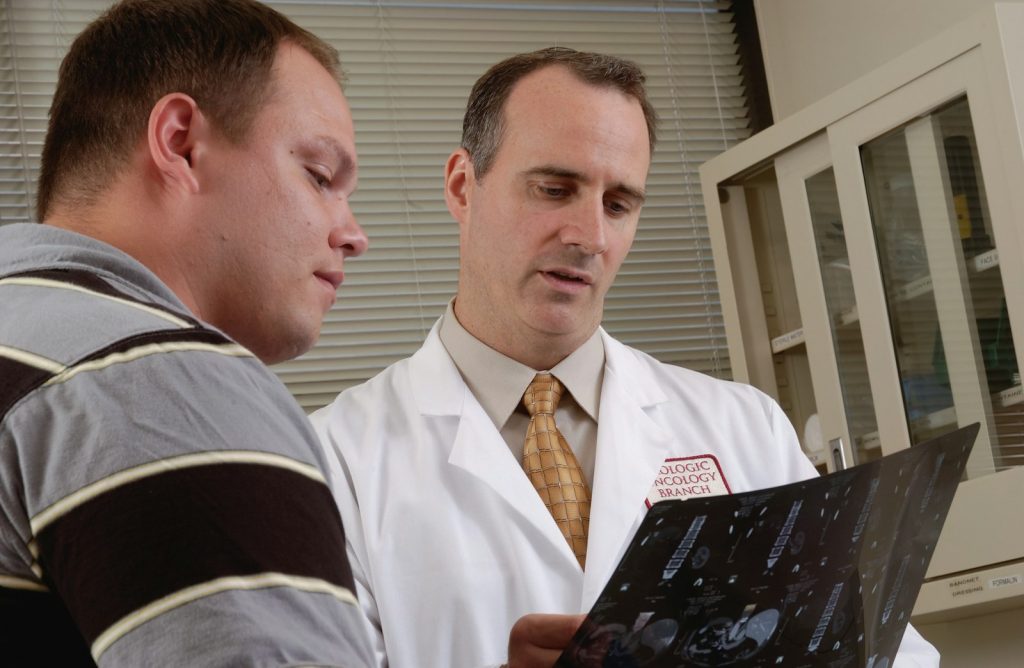
If you have tried exercise and dieting without enough results, you can book a consultation with Dr. Hasan Jalamneh to assess your case and discuss the options that suit you, through our Contact Us page.
This article is for educational purposes only and is not a substitute for consulting a specialist doctor.