There is no method that guarantees you’ll get rid of cellulite for good, but you can reduce its appearance by gradually losing excess fat, strengthening your muscles with exercise, keeping your skin healthy, and in some cases with cosmetic treatments offered by dermatologists. Dermatologists at the American Academy of Dermatology and Cleveland Clinic emphasize that cellulite is very common, appearing in most women after puberty, and that it is neither a disease nor a sign of poor health.
Many people notice cellulite during or after their weight-loss journey, especially on the thighs, buttocks, abdomen and arms, and they wonder what causes it and how to treat it. In this article we explain what cellulite is, why it appears, which methods actually help reduce it, and which promises to be wary of. The realistic goal here is a gradual improvement in the appearance of your skin and in your overall health, not skin that is completely free of any dimpling.
What Is Cellulite and Why Does It Appear?
Cellulite is a dimpled or lumpy appearance of the skin that looks like “orange peel.” It happens when fat cells under the skin push up toward the surface while bands of connective tissue pull the skin down at certain points, making the skin’s surface look uneven.
It is far more common in women, partly because of the way their connective tissue fibers are arranged and how their fat is distributed, as well as the role of hormones such as estrogen. Factors that affect its appearance include:
- Genetics: some people are more prone to it than others.
- Hormones: it usually appears after puberty and may increase with pregnancy or hormonal changes.
- Body fat percentage: more fat makes it more visible, but it also appears in slim people.
- Aging: the skin becomes thinner and less elastic, making cellulite more noticeable.
- Lack of physical activity: weak muscles under the skin may make it more visible.
- Smoking: damages collagen and skin health in general.
Why Does Cellulite Sometimes Look Worse After Weight Loss?
Losing weight usually improves the appearance of cellulite because it reduces the size of fat cells. But in some people, especially after losing a large amount of weight or after bariatric (weight-loss) surgery, the skin may look looser, making cellulite more visible than before. Repeatedly gaining and losing weight, known as “yo-yo dieting,” can also affect skin elasticity. That’s why it’s recommended to lose weight gradually while preserving muscle with protein and exercise.
How to Get Rid of Cellulite or Reduce It Naturally
1. Follow a Healthy Diet
There’s no “cellulite-melting food,” but a balanced diet helps lower body fat and keep your skin healthy. Focus on:
- Enough protein from chicken, fish, eggs, legumes and dairy products, to support your muscles and skin.
- Vegetables and fruits rich in antioxidants and vitamin C, which is essential for making collagen.
- Complex carbohydrates such as whole grains.
- Healthy fats such as olive oil, fish and nuts, in moderation.
2. Cut Back on Sugar and Processed Foods
Too much sugar and processed food increases calories and leads to fat buildup, which makes cellulite more visible. Cutting back on sweetened drinks, sweets and fast food helps reduce body fat gradually.
3. Reduce Salt and Drink Enough Water
Salty foods can cause fluid retention, making some areas look puffy and cellulite temporarily more visible. Drinking enough water and cutting back on salty and processed foods helps reduce this retention.
4. Exercise Regularly
Exercise doesn’t remove cellulite directly, but it helps reduce fat and strengthen the muscles under the skin, which improves its appearance. The best results come from combining:
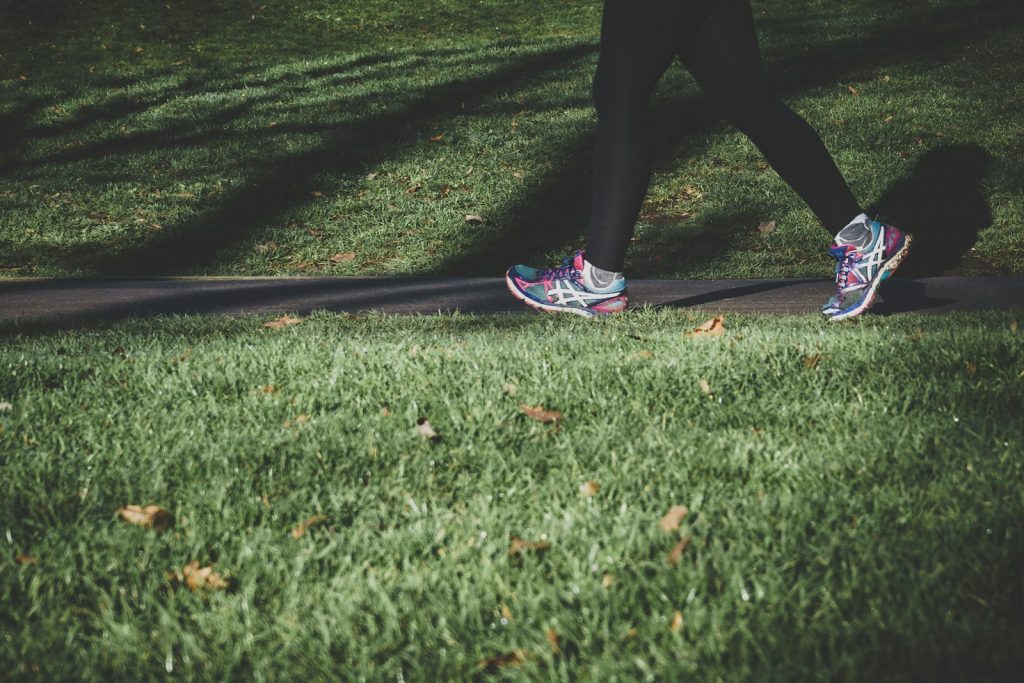
- Aerobic exercise: such as brisk walking, swimming and cycling, for at least 150 minutes a week, as recommended by the World Health Organization.
- Resistance training: such as squats, lunges and glute and thigh exercises, two to three times a week.
5. Avoid Sitting for Long Periods
Moving regularly throughout the day is good for circulation and overall health. If your job requires sitting, get up and move for a few minutes roughly every hour. Although evidence on the direct effect of sitting on cellulite is limited, reducing inactivity supports fat loss and fitness.
6. Quit Smoking
Smoking reduces blood flow to the skin and weakens collagen, making the skin thinner and less elastic and making cellulite and wrinkles more noticeable.
7. Manage Stress and Sleep Well
Chronic stress and lack of sleep affect hormones and appetite, and may lead to emotional eating and fat buildup. Relaxation exercises and regular sleep support your health and your weight-loss efforts.
Do Creams and Cosmetic Treatments Remove Cellulite?
Many products promise to remove cellulite, but most have limited or temporary results. Here’s what medical sources say about the most popular options:
| Method | What to expect |
|---|---|
| Caffeine creams | A slight, temporary improvement in appearance with daily use |
| Retinol creams | May slightly improve skin thickness with use over several months |
| Massage and suction devices | Temporary improvement; requires repeated sessions |
| Laser and radiofrequency | Moderate improvement in some people; requires several sessions |
| Treatments targeting the fibers under the skin (Subcision) | May give longer-lasting results in some suitable cases; performed by specialized clinics |
It’s important to know that traditional liposuction does not treat cellulite, and it can sometimes make the skin look worse. Before any cosmetic procedure, consult a qualified dermatologist or plastic surgeon, and be wary of promises of quick, permanent results.
How to Care for Your Skin to Reduce the Appearance of Cellulite
Along with diet and exercise, some simple habits help improve the appearance of your skin overall:
- Daily moisturizing: well-moisturized skin looks smoother and more even.
- Sun protection: UV rays weaken collagen over time, so use sunscreen on exposed areas.
- Gentle exfoliation: may temporarily improve the texture and look of your skin, without harsh scrubbing that irritates it.
- Enough protein: especially during periods of weight loss, to support your muscles and skin.
- A stable weight: avoid large, repeated weight swings as much as possible.
See a dermatologist if a sudden change in your skin appears along with redness, warmth, pain or swelling, because these symptoms aren’t related to cellulite. They may indicate a skin infection called “cellulitis,” which needs medical treatment. Some people confuse the two because the names are similar.
Is Cellulite Linked to Obesity?
Cellulite can appear in anyone regardless of weight, but it is usually more visible with a higher body fat percentage. If you have severe obesity that affects your health, losing weight will benefit your health first, and it may also improve the appearance of cellulite. After significant weight loss, especially after bariatric surgery, it’s important to focus on protein and exercise to preserve muscle and skin elasticity, as we explain on our Life After Surgery page. You can also learn about our various services for treating obesity.
Frequently Asked Questions
Can cellulite be removed permanently?
No method guarantees permanent removal, but its appearance can be reduced noticeably with a healthy lifestyle and some cosmetic treatments, which usually require maintenance sessions.
Do men get cellulite?
Yes, but it is much less common in men because of differences in how connective tissue fibers are arranged, fat distribution and hormones.
Does drinking water get rid of cellulite?
Drinking water is good for your skin and body and reduces fluid retention, but it doesn’t remove cellulite on its own.
Does cellulite disappear after losing weight?
It usually improves with fat loss, but it may not disappear completely, and it can sometimes look more visible if the skin becomes loose after significant weight loss.
What are the best exercises to reduce cellulite?
Combining aerobic exercise such as brisk walking with resistance training for the glutes and thighs, such as squats and lunges, gives the best results for reducing fat and toning muscles.
If excess weight is what concerns you and you’re looking for a safe medical plan to treat obesity, you can book a consultation with Dr. Hasan Jalamneh to assess your condition and discuss the right options through our Contact Us page.
This article is for educational purposes only and does not replace a consultation with a specialist.