
Classic Gastric Bypass Surgery (Roux-en-Y)
One of the most powerful and most extensively studied weight loss operations in the world. It combines making the stomach smaller with bypassing part of the intestine, and it is particularly effective for treating diabetes and acid reflux associated with obesity.
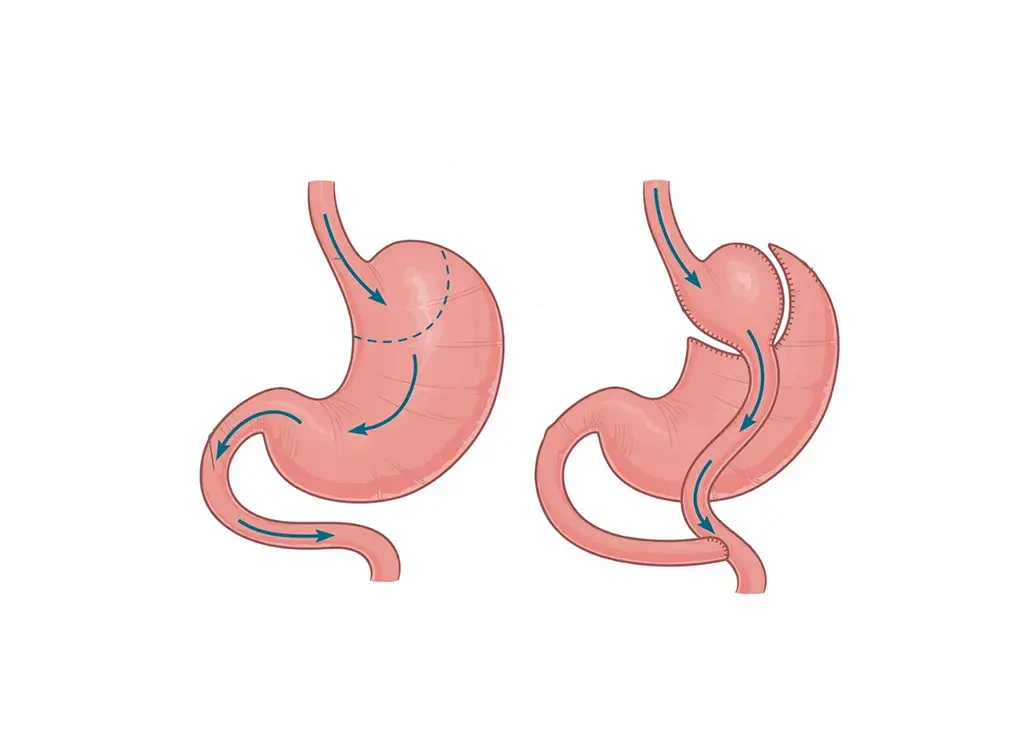
What Is Classic Gastric Bypass Surgery?
The operation is performed laparoscopically under general anesthesia and consists of two steps:
- Creating a small stomach pouchA small portion of the upper stomach, about 30 ml in size, is separated to become the “new stomach.”
- Connecting the intestine in a Y shapeThe pouch is connected directly to part of the small intestine, so food bypasses most of the stomach and the first part of the intestine. The digestive juices are then joined to the intestine further down.
The operation leads to earlier fullness and hormonal changes that reduce appetite and improve insulin sensitivity, in addition to reducing the absorption of some calories.

Who Is a Candidate for This Procedure?
The general criteria for bariatric surgery apply (ASMBS/IFSO 2022): a BMI of 35 or higher, or between 30 and 34.9 with a metabolic condition. Classic gastric bypass is particularly preferred in the following cases:
- Severe gastroesophageal reflux or Barrett’s esophagus with obesity.
- Type 2 diabetes, especially when uncontrolled.
- Severe reflux or weight regain after a previous sleeve gastrectomy.
- Higher-BMI cases that need a stronger metabolic effect.
The most suitable operation for each patient is determined after a full assessment at the clinic.


Expected Results and Benefits
Powerful Weight Loss
Most patients lose around 60–75% of their excess weight within the first 12–24 months.
Diabetes Improvement
One of the most effective operations for controlling type 2 diabetes. Many patients stop or reduce their medications.
Reflux Relief
Usually the preferred option for patients with obesity who also have significant acid reflux.
Improvement in Related Conditions
High blood pressure, high cholesterol, sleep apnea and fatty liver.
Long-Term Results
Decades of follow-up data confirm lasting results when patients stay committed to their follow-up.
Aversion to Sweets
Sugary foods can trigger “dumping syndrome,” which naturally reduces the desire for them.
Recovery Stages & Diet
- In the HospitalWalking on the same day, small amounts of clear fluids, and discharge usually after 1–3 nights.
- Weeks 1–2Protein-rich full liquids, taken in small, frequent sips.
- Weeks 3–6Puréed, then soft foods, with protein first.
- After 6–8 WeeksA gradual return to normal eating in small portions, avoiding sugars and fizzy drinks.
- Lifelong SupplementsMultivitamins, B12, calcium with vitamin D, and iron when needed, along with periodic blood tests.
Potential Risks
Complication rates are low in specialized centers, but it’s important to be aware of them:
- A leak at the connection site, or bleeding (uncommon).
- Blood clots in the legs or lungs.
- Dumping syndrome after eating sugary foods.
- An ulcer at the connection site, with a higher risk from smoking and anti-inflammatory painkillers.
- Iron, B12 and calcium deficiencies if supplements are neglected.
- Late bowel obstruction due to an internal hernia (rare).
- Gallstones with rapid weight loss.
Quitting smoking and avoiding anti-inflammatory painkillers (such as ibuprofen) after surgery are strongly recommended.
Classic vs. Mini Gastric Bypass: The Difference
Classic (Roux-en-Y)
Two connections in a Y shape; the best option for patients with acid reflux. It has the longest research track record and relatively fewer vitamin deficiencies.
Mini (OAGB)
A single connection, so the operation is shorter, and weight loss is similar to or slightly greater than the classic bypass. Not preferred with severe reflux, and it may cause bile reflux in some patients.
FAQs
Most patients lose around 60–75% of their excess weight within one to two years, depending on their starting weight and how closely they follow the program.
Each operation has its advantages. Bypass is usually preferred with severe acid reflux or uncontrolled diabetes, while the sleeve is simpler and requires fewer supplements. The surgeon recommends the best option after assessment.
It can technically be reversed in special cases, but it is complex surgery and is performed only for compelling medical reasons.
Symptoms such as dizziness, sweating, a racing heartbeat, and diarrhea after eating sugary foods or large meals. It can be avoided by following the recommended diet.
Yes. Daily supplements and regular blood tests are essential to prevent iron, B12, calcium and vitamin D deficiencies.
It is generally recommended to wait 12–18 months after surgery, with careful nutritional monitoring during pregnancy.
Medical Sources
- ASMBS – Bariatric Surgery Procedures
- 2022 ASMBS & IFSO Indications for Metabolic and Bariatric Surgery
- NHS – Weight loss surgery
- Mayo Clinic – Gastric bypass (Roux-en-Y)
The information on this page is for health education and does not replace a consultation with a doctor. Last medical review: November 2026 — Dr. Hasan Jalamneh, Consultant in General and Laparoscopic Surgery.
Is gastric bypass the right choice for you?
Book a consultation with Dr. Hasan Jalamneh at Istishari Hospital – Amman. He will assess your condition and walk you through your bariatric surgery options.