
Laparoscopic Colorectal Cancer Surgery
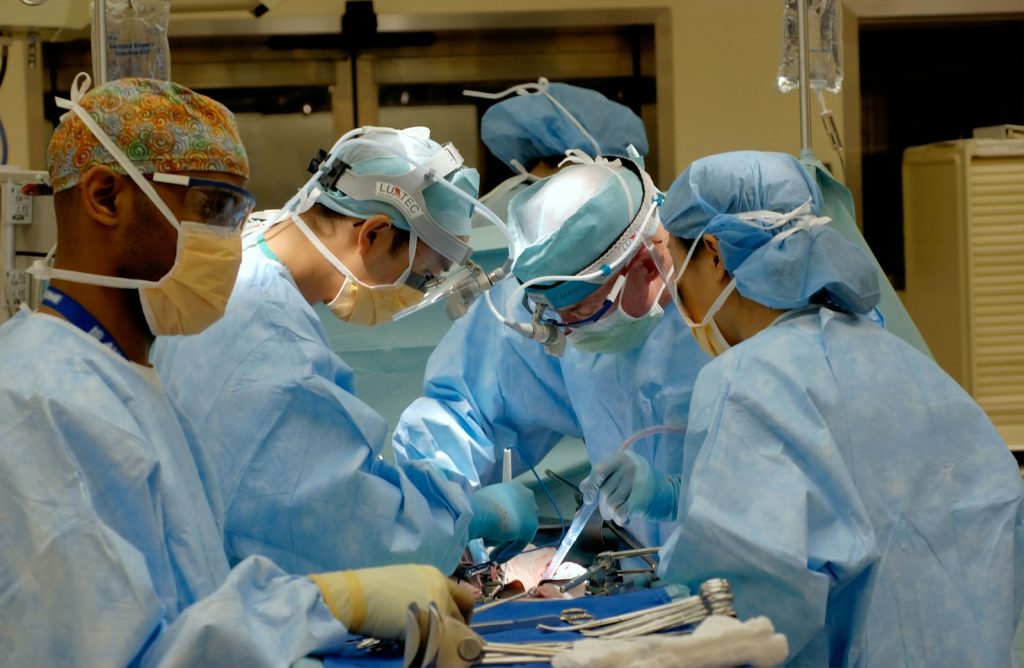
Accurate diagnosis and a comprehensive treatment plan for colon tumors, with laparoscopic removal of the affected section whenever possible, in coordination with the oncology team for the best results.
When Should You Be Concerned?
Colon cancer may cause no symptoms in its early stages, which is why early screening is important. The main warning signs are:
- Blood in the stool or rectal bleeding.
- A persistent change in bowel habits (diarrhea or constipation) lasting more than 3 weeks.
- Persistent abdominal pain or bloating.
- Anemia or unexplained fatigue.
- Unintentional weight loss.
Screening colonoscopy is recommended starting at age 45 for people at average risk, and earlier for those with a family history or inflammatory bowel disease.

Diagnosis and Staging
- Colonoscopy with biopsyTo confirm the diagnosis and the type of tumor.
- CT scanOf the chest, abdomen and pelvis to determine the spread of the disease, plus MRI for rectal tumors.
- Blood testsIncluding the CEA tumor marker.
- Multidisciplinary team meetingA surgeon, oncologist, radiologist and pathologist work together to set the most suitable plan for each patient.
Surgical Treatment
Laparoscopic colectomy
The affected section is removed along with a healthy margin and the nearby lymph nodes, and the bowel is then reconnected. Laparoscopy means less pain and a faster recovery.
Rectal surgery
Requires great precision to preserve function, and may be preceded by chemotherapy or radiotherapy depending on the stage.
Temporary or permanent stoma
Sometimes created to protect the new connection; in many cases it is temporary and closed later.
Any additional treatment (chemotherapy or radiotherapy) is decided according to the tumor stage once the specimen has been examined.
Recovery After Surgery
- Enhanced recovery program (ERAS): walking and drinking early after surgery.
- A hospital stay of 3–7 days, depending on the type of operation.
- A gradual return to activity over 4–6 weeks.
- Regular follow-up with blood tests, imaging and endoscopy according to the plan.
Potential Risks
- Leakage from the bowel connection (uncommon), which may require intervention.
- Wound infection or a collection inside the abdomen.
- Temporarily slow bowel function after surgery.
- Blood clots or breathing complications, which are reduced by early walking and preventive medication.
FAQs
Yes. When it is detected at an early stage, cure rates are very high, which is why early screening matters.
Not always. Most colon operations do not require one. In rectal surgery, a temporary stoma may be created and closed later.
Yes. Studies have shown that laparoscopic colectomy achieves cancer outcomes equivalent to open surgery, with faster recovery and less pain.
From age 45 for people at average risk, and earlier if there is a family history or symptoms.
Medical Sources
The information on this page is for health education only and does not replace a consultation with your doctor. Last medical review: November 2026 — Dr. Hasan Jalamneh, Consultant in General & Laparoscopic Surgery.
Have symptoms or need early screening?
Book a consultation with Dr. Hasan Jalamneh to have your condition assessed and the right diagnosis and treatment plan put in place.